Air Max HVAC Blog & Resource Library

July 2, 2024 | Air Max Heating, Air Conditioning and Refrigeration
This is paragraph text. Click it or hit the Manage Text button to change the font, color, size, format, and more. To set up site-wide paragraph and title styles, go to Site Theme.
Understanding Indoor Humidity Levels
Relative humidity is a term that often pops up in weather forecasts, but it's just as crucial within the walls of our homes. It measures the amount of water vapor present in the air compared to the maximum amount the air can hold at a given temperature. This percentage is vital because it affects not just our comfort but also the health of our environment. When the air in our homes is properly humidified, it can enhance air quality, preserve the integrity of building materials, and even help regulate our body's natural functions. In Minnesota, where the climate can vary dramatically, understanding and managing indoor humidity is key to maintaining a comfortable and healthy living space.
Signs of Imbalanced Indoor Humidity
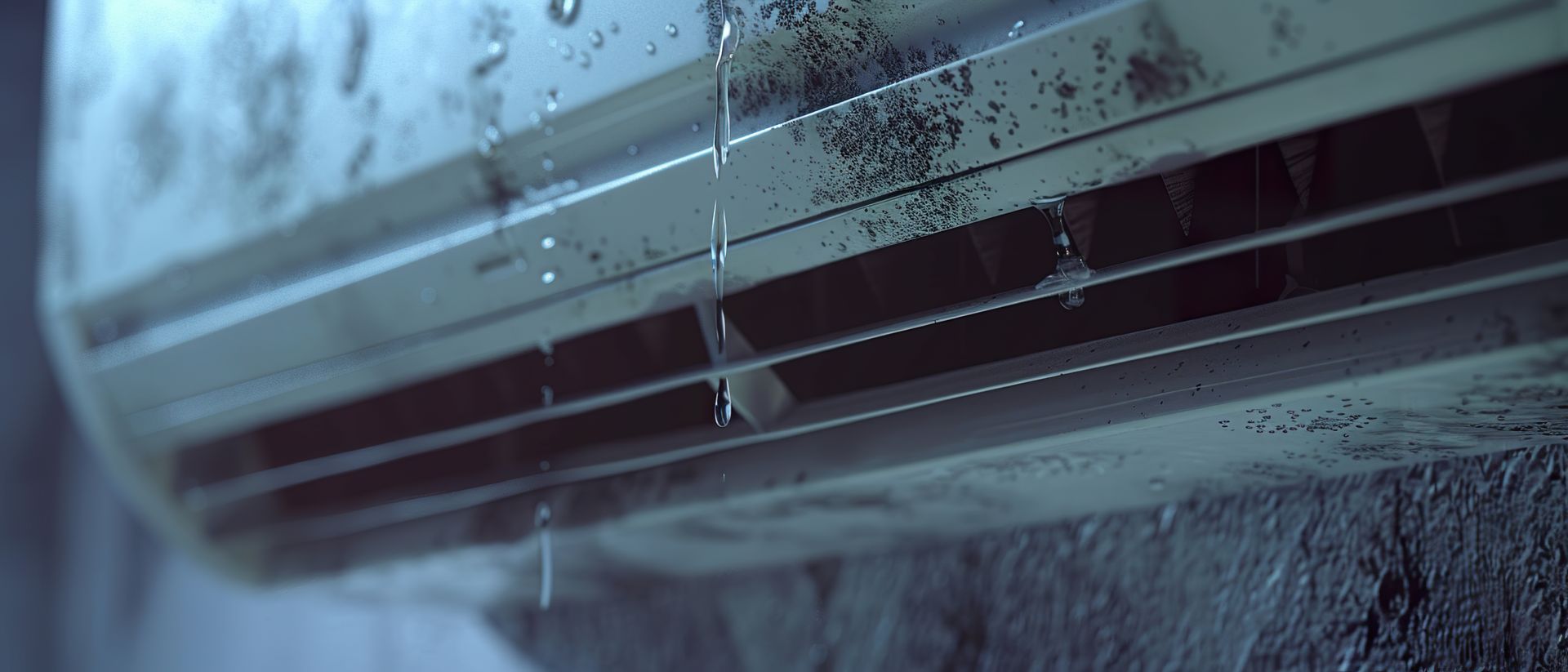
Walking into a room, you might not notice the humidity right away, but your body and the building itself certainly will. Telltale signs of excessive humidity include condensation on windows, a musty odor, or a feeling of mugginess that can make the air feel heavy. On the flip side, too little humidity can leave you with dry skin, irritate your respiratory system, and create static electricity. Wooden furniture and flooring may also show signs of dryness and cracking. Homeowners should be vigilant about these indicators, as the seasonal changes can lead to wide fluctuations in indoor humidity levels.
Ventilation Techniques to Regulate Moisture
One of the cornerstones of maintaining a balanced indoor climate is proper ventilation. It's the circulatory system of your home, allowing for the exchange of indoor and outdoor air. In places like Minnesota, where temperatures can swing from one extreme to another, it's essential to have a ventilation strategy that adapts to the changing conditions. Ensuring that exhaust fans are used in high-moisture areas like bathrooms and kitchens can help expel excess humidity. Moreover, incorporating energy-recovery ventilators can be a game-changer, as they precondition incoming air, which helps maintain a consistent humidity level.
Utilization of Dehumidifiers and Humidifiers
When natural ventilation isn't enough to keep humidity at bay, dehumidifiers and humidifiers become invaluable allies. A dehumidifier works by removing moisture from the air, making it indispensable during those muggy summer months in Minnesota. Conversely, a humidifier adds moisture to the air, combating the dryness that often accompanies a harsh Minnesota winter. Selecting the right size and type is crucial; it's a balance between the volume of your space and the appliance's capacity. An HVAC professional can provide guidance to ensure you choose an appliance that aligns with your specific needs.
Plants and Humidity: The Natural Regulators
Who knew that your green thumb could play a role in regulating your home's climate? Houseplants are nature's own humidity regulators, releasing moisture into the air through a process called transpiration. This can be particularly beneficial in drier climates or during the winter months in Minnesota, when indoor heating systems can strip the air of moisture. Not only do plants help maintain a more consistent humidity level, but they also purify the air, adding a touch of natural beauty to your home while they work their magic.
Health Implications of Incorrect Humidity Levels
The importance of humidity levels extends beyond comfort; it's a matter of health. Air that's too damp can foster the growth of allergens like mold and dust mites, leading to respiratory issues and allergic reactions. On the other hand, air that's too dry can aggravate conditions such as asthma and eczema. It's especially important to monitor indoor humidity to protect against these health risks. A well-maintained HVAC system, paired with humidity control, can create an environment that supports your health and well-being.
Comfort and Well-being: Achieving the Perfect Balance
There's a sweet spot when it comes to humidity that can make your home feel like a sanctuary. When humidity levels are balanced, you'll notice that the air feels fresher, your skin isn't as dry, and you're able to breathe easier. It's this level of comfort that turns a house into a home. Achieving the perfect balance of humidity means you're less likely to be adjusting the thermostat, which not only improves your comfort but can also lead to energy savings. An HVAC specialist can help tailor a humidity control solution that enhances the well-being of everyone in your home.
Protecting Building Materials and Furnishings
Humidity is a silent destroyer, creeping into the pores of your home's structure and furnishings. Wood, being hygroscopic, can absorb excess moisture, leading to swelling, warping, or even rot. Conversely, low humidity can cause wood to shrink and crack. In Minnesota, where the climate can change with the seasons, it's essential to maintain a consistent humidity level to protect these materials. Textiles, electronics, and artwork are also susceptible to damage from improper humidity levels. By managing indoor moisture, you can extend the life of your home's interior and avoid costly repairs or replacements.
Mold and Mildew Prevention Techniques
Mold and mildew are not just unsightly; they can also pose significant health risks. These fungi thrive in moist environments, making bathrooms, basements, and kitchens their favorite haunts. Preventing their growth is a year-round battle. Effective strategies include using dehumidifiers, ensuring proper ventilation, and fixing leaks promptly. Regular cleaning and using mold-resistant materials in high-risk areas can also help keep these unwelcome guests at bay. Remember, the key to mold and mildew prevention lies in controlling indoor humidity.
Smart Home Technology for Humidity Monitoring
Embracing technology can take the guesswork out of humidity control. Smart home devices, such as Wi-Fi-enabled thermostats and hygrometers, allow you to monitor and adjust your home's humidity levels from anywhere. These gadgets can be programmed to maintain optimal conditions, alerting you when levels fall outside your preset range. For homeowners, this means peace of mind, knowing that their home environment is being regulated efficiently, even when they're not there. It's a modern solution for a timeless challenge, ensuring your home stays comfortable and healthy year-round.
Seasonal Humidity Challenges and Solutions
Each season brings its own humidity hurdles. In the sweltering summers of Minnesota, dehumidifiers can keep the oppressive moisture at bay, while in the frigid winters, a humidifier can add the necessary moisture to combat the dry, heated air. Transitioning between seasons might require adjustments to your humidity control methods. For instance, as the outdoor temperature drops, so should the indoor humidity level to prevent condensation on windows and walls. Staying attuned to these seasonal changes and adapting your strategy accordingly will help maintain a comfortable and healthy home environment.
Energy-Efficient Practices to Maintain Ideal Humidity
Managing humidity doesn't have to mean higher energy bills. In fact, energy-efficient practices can lead to a more comfortable home and cost savings. Sealing leaks around doors and windows, using energy-efficient appliances, and ensuring your HVAC system is properly maintained are all ways to keep humidity in check without overworking your system. By being mindful of how you control indoor moisture, you can create a harmonious balance between maintaining ideal humidity levels and reducing your environmental footprint.
Keep Your Home This Summer with Air Max
At Air Max Heating, Air Conditioning and Refrigeration, we understand the nuances of local climate and indoor air quality. Our team of HVAC experts is dedicated to providing solutions that enhance the comfort and health of your home. If you're experiencing humidity-related challenges or simply want to optimize your indoor environment, contact us today. Let us help you achieve the perfect balance of humidity for a more comfortable, energy-efficient home.
Call Air Max now at (320) 818-5588 or send us a message online.