A white background with a few lines on it

Air Max HVAC Blog & Resource Library
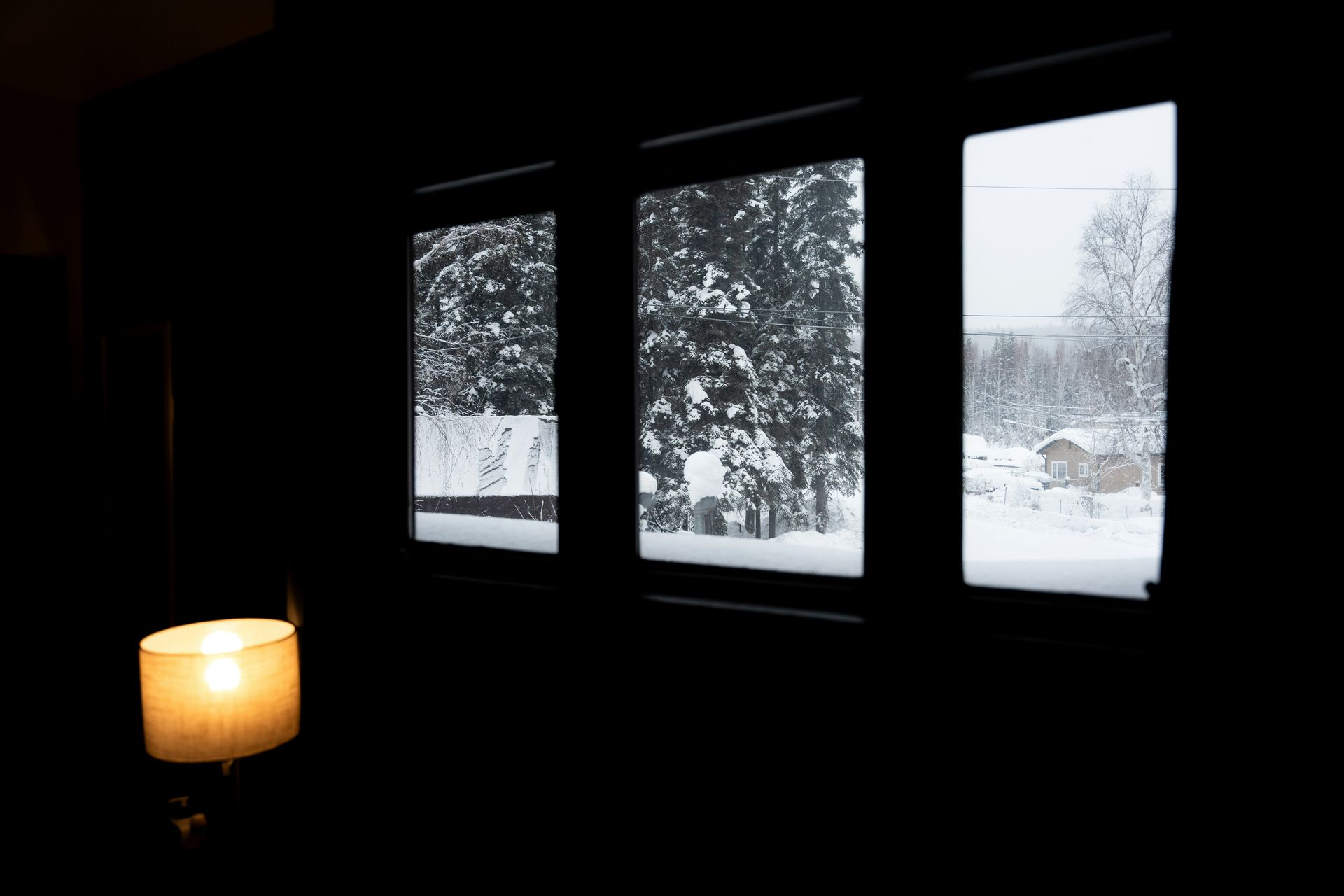
Reasons One Room Is Colder in Your St. Cloud Home During the Winter


If one room in your St. Cloud home feels noticeably colder than the rest during winter, you’re not imagining it. Uneven heating is a common issue in Central Minnesota, especially during long cold stretches when your HVAC system is working overtime. Whether it’s a bedroom over the garage, a finished basement, or a corner room with older windows, temperature differences often point to airflow, insulation, or system performance issues that can be corrected with the right HVAC approach.


In this guide, Air Max explains why some rooms feel colder than others, what causes uneven heat, and the HVAC solutions that can help your entire home stay comfortable all winter.


Why Uneven Heating Happens in Minnesota Homes

During winter, your heating system works hard to maintain comfortable indoor temperatures. But your home may heat unevenly due to airflow limitations, insulation issues, or ductwork problems.


Even if your furnace is running normally, warm air doesn’t always reach every space equally—especially in extreme cold conditions.


Common Causes of Cold Rooms and Uneven Heat


1) Poor Insulation or Drafty Areas

Rooms with weaker insulation lose heat faster than other parts of the home.


This often happens in:

  • Bedrooms above garages
  • Bonus rooms or additions
  • Rooms with older windows
  • Exterior-facing corners of the home


Even small gaps around windows and doors can make a room feel noticeably colder.


2) Blocked or Restricted Airflow

Sometimes the fix is simple: airflow is being limited.


Common reasons include:


  • Closed supply vents
  • Furniture covering vents
  • Dirty furnace filters
  • Return vents blocked by rugs or clutter


When airflow can’t move properly, heat builds up in one area and doesn’t circulate evenly throughout the home.


3) Ductwork Problems

Your ducts are responsible for delivering heated air to each room. If ductwork is leaking, damaged, or poorly designed, certain rooms will get less warm air.


Duct issues may include:


  • Leaky duct connections
  • Crushed or disconnected duct runs
  • Poor airflow balance between floors
  • Ductwork not sized correctly for the home


These problems are common in older homes or after remodeling projects.


4) Thermostat Placement

Thermostats only measure temperature where they are located. If your thermostat is in a warmer area (like a hallway or near the kitchen), it may shut the system off before colder rooms reach a comfortable temperature.


This is a common reason why one room is colder than the rest of the house, even though your furnace appears to be running normally.


That can make it feel like your furnace isn’t keeping up—even if it’s running correctly.


5) Heating System Sizing or Performance Issues

If your furnace is too small (or aging and losing efficiency), it may struggle to push enough warm air throughout the home during cold snaps.


Signs your system may need attention:


  • Long run times
  • Weak airflow from vents
  • Frequent cycling on and off
  • High heating bills without better comfort


Regular HVAC maintenance can help, but sometimes upgrades or repairs are needed.


HVAC Solutions to Fix Uneven Heating

The good news: uneven heating is often fixable with the right approach.


Airflow and System Adjustments

Air Max can check:


  • Furnace performance
  • Blower operation
  • Filter restriction
  • Airflow pressure and duct balance


Small adjustments can make a big difference in comfort.


Duct Sealing and Repairs

If ducts are leaking or disconnected, sealing and repairing them can help distribute heat more evenly and reduce wasted energy.

Benefits include:


  • Warmer rooms across the home
  • Better system efficiency
  • Improved indoor comfort


Zoning Systems

For homes with two stories or larger layouts, zoning can be a game-changer. Zoning uses dampers and multiple thermostats to control temperatures in different areas of the home.


This is especially helpful for:


  • Multi-level homes
  • Finished basements
  • Rooms over garages
  • Additions that never feel comfortable


Smart Thermostats and Comfort Controls

In many cases, upgrading to a smart thermostat or improving thermostat placement can help reduce temperature swings and improve comfort.


When One Room Is Colder in Your St. Cloud Home, We Can Help

If parts of your home stay cold all winter, your heating system may need more than just a thermostat adjustment. Identifying the true cause—airflow, insulation, ductwork, or system performance—is the key to lasting comfort.


Air Max proudly helps homeowners throughout St. Cloud and Central Minnesota solve heating comfort issues—especially when one room is colder than the rest of the house—with professional service and proven cold-weather solutions.


Call (320) 441-7944 or use our online contact form to schedule a heating evaluation and keep every room warm this winter.
Air conditioning leaking water
By Air Max Refrigeration, Heating, and Ice Conditioning February 18, 2026
Is your AC leaking in St Cloud? Learn common causes and get fast, reliable repairs from Air Max Refrigerating, Heating & Air Conditioning. Call today.
Technician working on a HVAC system
By Air Max February 14, 2026
Is your HVAC not blowing hot air in St. Cloud? Learn the most common causes, warning signs, and when to call Air Max for expert heating repair.
Red brick building with a window featuring an air conditioner and green shutters.
By Air Max January 30, 2026
Furnace keeps running during winter in St. Cloud? It could mean airflow issues, heat loss, or system strain. Here's what’s normal & how to fix it fast.
Snowy village scene with smoke rising from chimneys into a pale blue sky.
By Air Max January 19, 2026
Why Your Furnace Keeps Turning On and Off (Short Cycling) in Winter  If your furnace turns on, runs for only a few minutes, shuts off, and then starts again shortly after, that’s not normal—and it’s not efficient. This problem is called short cycling , and it’s one of the most common heating issues homeowners experience during cold Minnesota weather. Short cycling can make your home feel less comfortable, increase energy bills, and put extra wear and tear on your furnace. In some cases, it can even lead to a complete breakdown during the time you need heat the most. In this guide, Air Max explains what furnace short cycling is, why it happens, and when it’s time to call a professional. What Is Furnace Short Cycling? A healthy furnace cycle typically runs long enough to heat your home evenly before shutting off. Short cycling happens when the furnace shuts down before completing a full heating cycle—then restarts again soon after. Instead of delivering steady, consistent comfort, short cycling often causes: Uneven temperatures throughout the home Frequent thermostat adjustments Extra strain on furnace components Higher heating costs Common Causes of Furnace Short Cycling 1) Dirty Furnace Filter One of the most common causes of short cycling is a clogged air filter. When airflow is restricted, the furnace can overheat and shut down as a safety measure. What you can do: Replace your furnace filter Make sure return vents aren’t blocked Confirm supply vents are open If your filter gets dirty quickly, it may be a sign of airflow imbalance or indoor air quality issues. 2) Thermostat Problems A malfunctioning thermostat (or one installed in the wrong spot) can cause your furnace to cycle too frequently. Thermostat issues may include: Incorrect temperature readings Loose wiring Poor placement near drafts, windows, or heat sources A simple thermostat adjustment or upgrade can sometimes solve the issue. 3) Overheating Furnace If internal components overheat, your furnace may shut off early to protect itself. This can happen due to: Airflow restrictions Dirty burners Blower motor issues Heat exchanger problems Overheating should be taken seriously because it can lead to more costly repairs if ignored. 4) Improper Furnace Sizing A furnace that is too large for the home can heat the space too quickly, shut off, then restart repeatedly. While it may sound like “more power” is better, oversized systems often create: Temperature swings Noisy operation Less efficient heating Increased wear on parts Proper sizing is key for consistent comfort, especially during long winters. 5) Flame Sensor or Ignition Issues Your furnace relies on sensors to confirm safe operation. If a flame sensor is dirty or faulty, the furnace may shut down shortly after ignition. Common signs include: Furnace starts, then stops quickly Repeated attempts to restart Trouble staying lit This is a common repair and often inexpensive when caught early. Is Furnace Short Cycling an Emergency? Short cycling doesn’t always mean immediate danger—but it can quickly become serious if it’s caused by overheating, electrical issues, or a failing component. You should call for service if: Your furnace is cycling every few minutes Your home won’t stay warm You notice burning smells or unusual noises You see higher-than-usual heating bills The problem keeps getting worse The sooner you address it, the more likely it can be fixed with a simple adjustment or minor repair. How Air Max Fixes Furnace Short Cycling When Air Max inspects a short cycling furnace, we look at the full system—not just one part. This often includes checking: Furnace filter and airflow restrictions Thermostat operation and placement Safety sensors and ignition components Blower motor performance System sizing and ductwork balance Once the cause is identified, we recommend the most effective fix to restore reliable heat and protect your system. Stop Furnace Short Cycling with Help from Air Max If your furnace can’t stay running long enough to heat your home comfortably, don’t wait for a complete breakdown—especially during Minnesota winter weather. Air Max proudly serves homeowners throughout St. Cloud and Central Minnesota with furnace repair, maintenance, and heating performance solutions built for cold climates. Call (320) 441-7944 or use our online contact form to schedule service and keep your home warm, efficient, and reliable all winter long.
Woman assembling air purifier with screwdriver in a lab.
By Air Max December 29, 2025
Dry indoor air is common in Minnesota winters. Air Max explains why it happens, ideal humidity levels, and how HVAC humidifiers improve comfort.
Person opening a wood-burning stove to tend the fire inside with a poker. Flames and embers glow.
By Air Max Heating, Air Conditioning and Refrigeration December 10, 2025
Learn whether cold-climate heat pumps or furnaces work best in Minnesota winters. Air Max LLC explains efficiency, reliability, and comfort for cold weather.
Graphic: Minnesota HVAC rebates in 2025. Text:
By Air Max Refrigeration, Heating & Air Conditioning November 20, 2025
Learn how Minnesota homeowners can save with 2025 HVAC rebates, tax credits, and utility incentives. Discover eligibility, programs, and how to apply.
Ad for Air Max: Upgrade furnace/AC in Minnesota, save with 2025 tax credits.
September 16, 2025
This blog post is brought to you by Air Max, a trusted Minnesota HVAC company specializing in energy-efficient furnace and air-conditioning installations.
Two air conditioners are sitting outside of a brick building.
By Air Max Heating, Air Conditioning and Refrigeration June 1, 2025
Choosing the best HVAC system for your home or business can feel overwhelming. Each type has its strengths and weaknesses, and understanding these can help you make an informed decision. Here’s a closer look at the pros and cons of some popular HVAC systems.
A close up of a white air conditioner with ice on it.
By By Air Max Heating, Air Conditioning and Refrigeration May 4, 2025
If you’ve noticed ice forming on your air conditioner, it’s a clear sign that something isn’t working properly. While it might seem harmless at first glance, ice buildup on your AC unit can lead to significant problems, including reduced efficiency, higher energy bills, and even total system failure. Ignoring this issu