Air Max HVAC Blog & Resource Library
Cold-Climate Heat Pumps vs. Furnaces: What Works Best for Minnesota Winters?
Minnesota winters are not forgiving. When temperatures drop well below zero, homeowners need heating systems that are reliable, efficient, and built for extreme cold. Two of the most common heating options in Central Minnesota are cold-climate heat pumps and gas furnaces, but which one actually performs better during a Minnesota winter?
In this guide, Air Max breaks down how each system works, the pros and cons of each, and how homeowners in St. Cloud and surrounding communities can choose the right solution for their home and comfort needs.
How Cold-Climate Heat Pumps Work in Freezing Temperatures
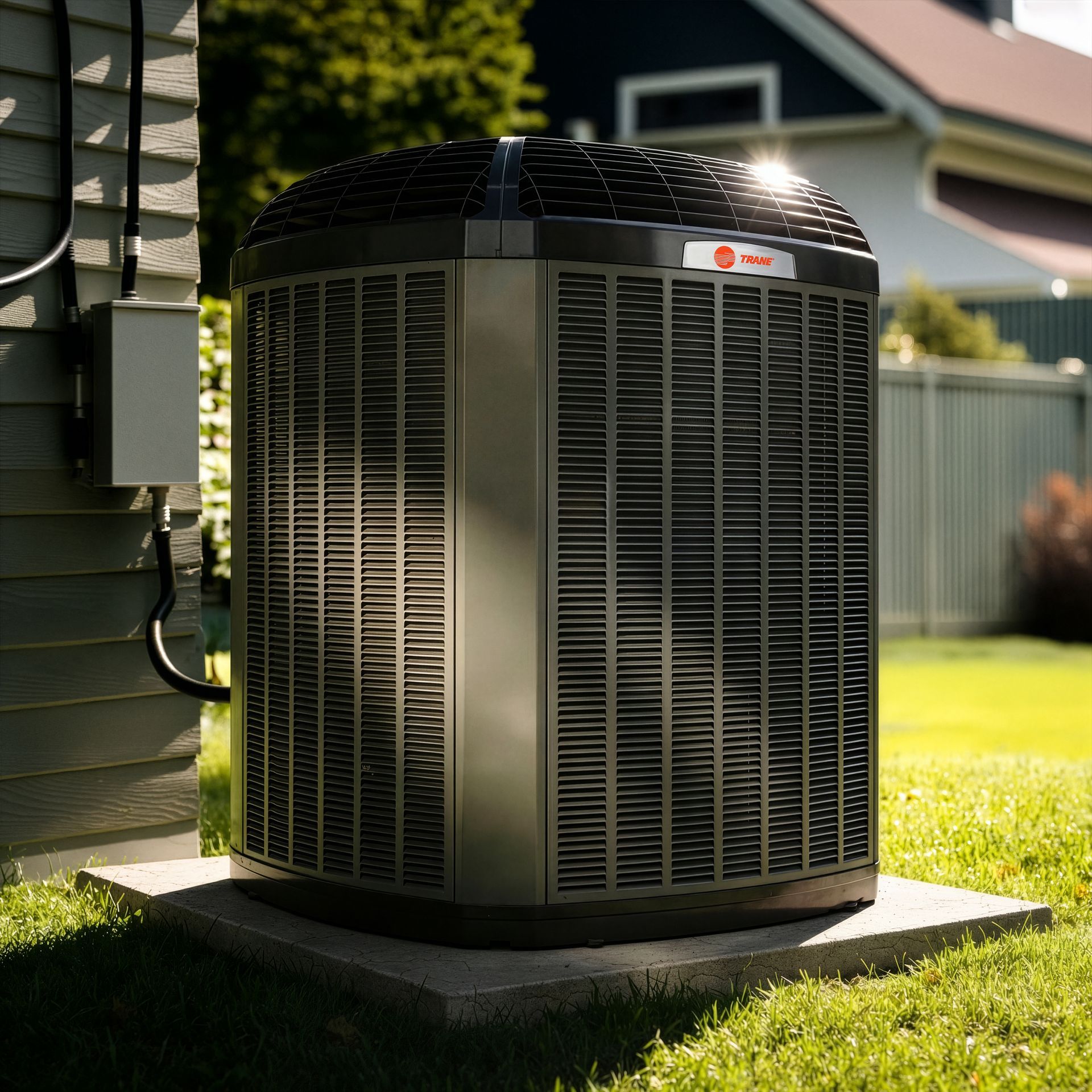
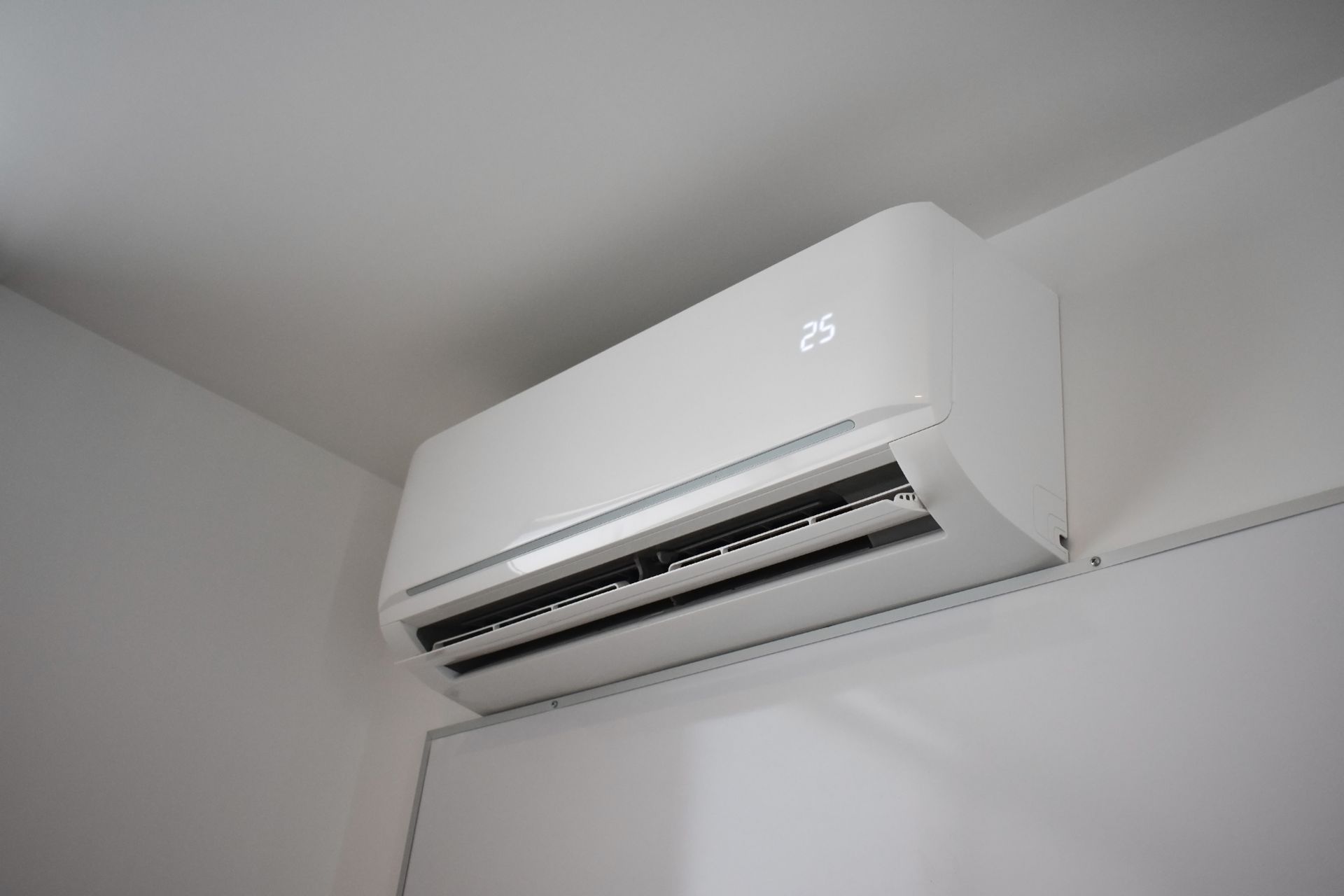
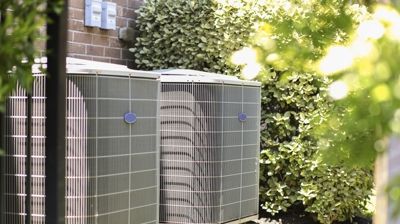
Cold-climate heat pumps are specifically engineered to operate efficiently in sub-zero conditions. Unlike traditional heat pumps, these systems extract heat from the outdoor air even when temperatures fall well below freezing.
Key Benefits of Cold-Climate Heat Pumps
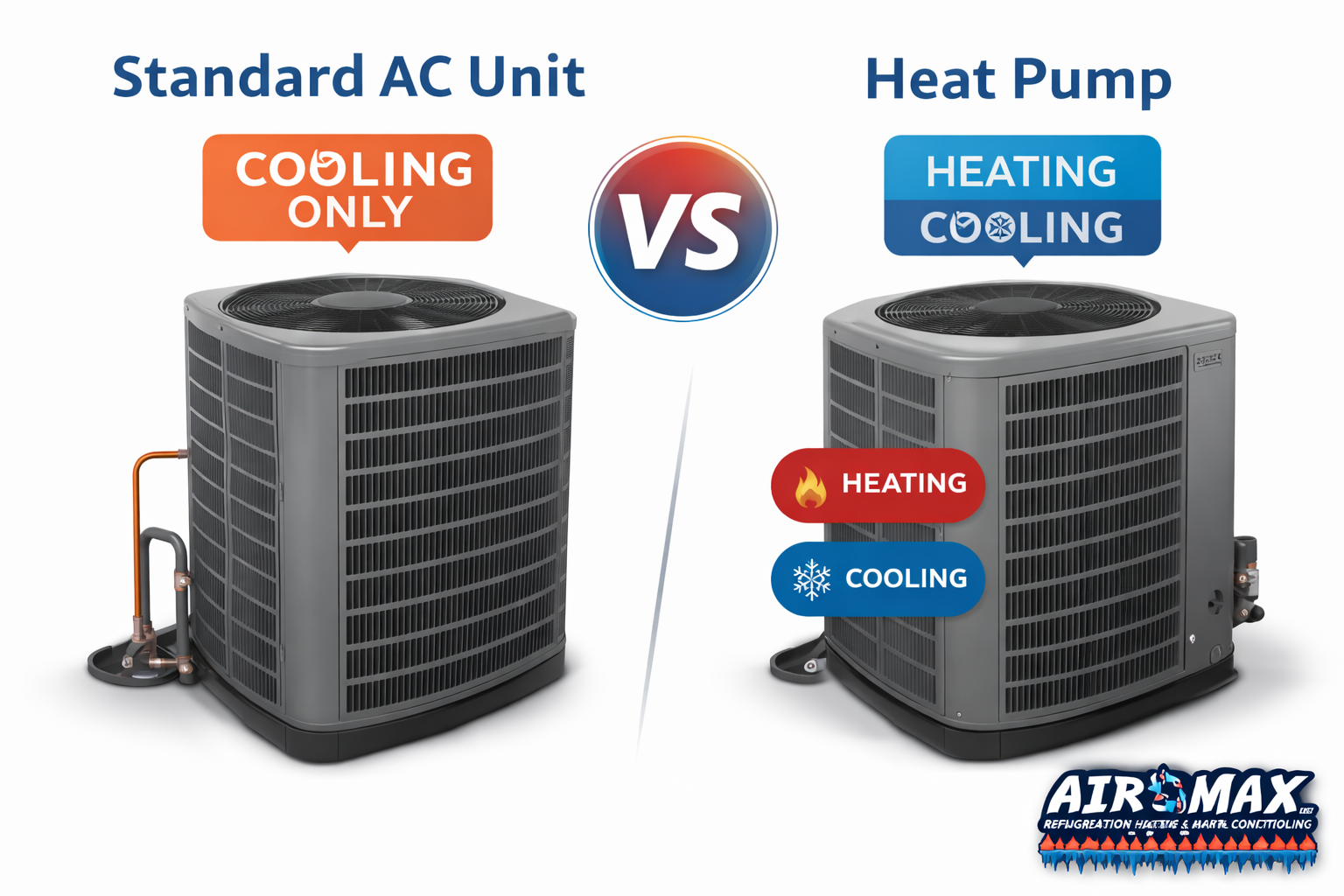
- Provide both heating and cooling in one system
- Highly energy efficient compared to older heating systems
- Can operate effectively in temperatures as low as -15°F or lower
- Eligible for energy rebates and incentives in many areas
Potential Drawbacks in Minnesota
- Performance may decline during extreme cold snaps
- Often require a supplemental heat source for peak winter days
- Higher upfront installation cost compared to standard furnaces
Cold-climate heat pumps can be an excellent option for well-insulated homes in Central Minnesota, especially when paired with a backup heating system.
How Furnaces Perform During Minnesota Winters
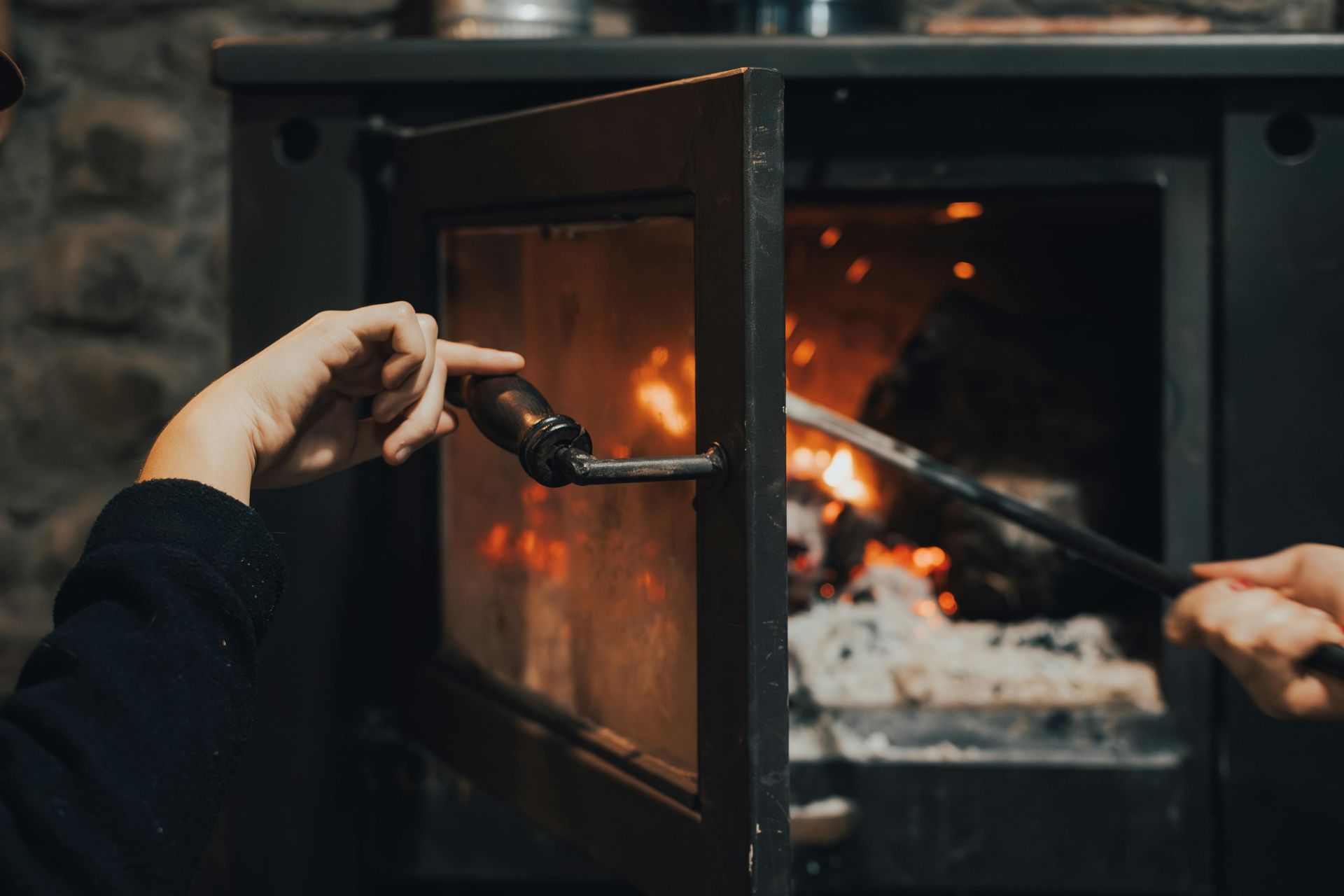
Gas furnaces remain the most common heating system in Minnesota homes—and for good reason. Furnaces generate heat directly, making them extremely dependable during extended periods of extreme cold.
Advantages of Furnaces in Cold Weather
- Consistent heat output regardless of outdoor temperature
- Fast heating response during sudden temperature drops
- Long lifespan with proper maintenance
- Lower upfront cost compared to heat pump systems
Considerations to Keep in Mind
- Higher energy usage compared to heat pumps
- No cooling capability, requires a separate AC system
- Fuel costs can fluctuate during winter months
For many homeowners in the St. Cloud area, furnaces continue to be the most dependable option for harsh winter conditions.
Energy Efficiency Comparison: Heat Pumps vs. Furnaces
When comparing energy efficiency, heat pumps often outperform furnaces, but only under the right conditions.
Heat Pumps
- Move heat rather than generate it
- Lower operating costs during mild and moderate winter days
- Most efficient in newer or well-sealed homes
Furnaces
- Generate heat directly from fuel
- Less efficient on paper but more reliable in extreme cold
- Better suited for older homes with less insulation
The most efficient option often depends on your home’s insulation, layout, and how cold your area gets throughout the winter season.
Which Heating System Is Best for Central Minnesota Homes?
There is no one-size-fits-all answer. The best heating system depends on several factors:
- Home size and insulation quality
- Local winter temperature patterns
- Energy costs and budget
- Comfort preferences
Hybrid Systems: The Best of Both Worlds
Many Minnesota homeowners are now choosing dual-fuel systems, which combine a cold-climate heat pump with a gas furnace. The heat pump handles mild winter days, while the furnace activates during extreme cold—maximizing efficiency and comfort.
Get Expert Heating Advice from Air Max
Choosing the right heating system for a Minnesota winter is a big decision. Whether you’re considering upgrading your furnace, installing a cold-climate heat pump, or exploring a hybrid solution, professional guidance makes all the difference.
Air Max proudly serves homeowners throughout St. Cloud and surrounding Central Minnesota communities with trusted heating solutions designed for cold-weather performance. Contact our team today at 888-732-6916 or use our contact form to schedule a consultation and ensure your home stays warm all winter long.