Air Max HVAC Blog & Resource Library
Reasons One Room Is Colder in Your St. Cloud Home During the Winter
If one room in your St. Cloud home feels noticeably colder than the rest during winter, you’re not imagining it. Uneven heating is a common issue in Central Minnesota, especially during long cold stretches when your HVAC system is working overtime. Whether it’s a bedroom over the garage, a finished basement, or a corner room with older windows, temperature differences often point to airflow, insulation, or system performance issues that can be corrected with the right HVAC approach.
In this guide, Air Max explains why some rooms feel colder than others, what causes uneven heat, and the HVAC solutions that can help your entire home stay comfortable all winter.
Why Uneven Heating Happens in Minnesota Homes
During winter, your heating system works hard to maintain comfortable indoor temperatures. But your home may heat unevenly due to airflow limitations, insulation issues, or ductwork problems.
Even if your furnace is running normally, warm air doesn’t always reach every space equally—especially in extreme cold conditions.
Common Causes of Cold Rooms and Uneven Heat
1) Poor Insulation or Drafty Areas
Rooms with weaker insulation lose heat faster than other parts of the home.
This often happens in:
- Bedrooms above garages
- Bonus rooms or additions
- Rooms with older windows
- Exterior-facing corners of the home
Even small gaps around windows and doors can make a room feel noticeably colder.
2) Blocked or Restricted Airflow
Sometimes the fix is simple: airflow is being limited.
Common reasons include:
- Closed supply vents
- Furniture covering vents
- Dirty furnace filters
- Return vents blocked by rugs or clutter
When airflow can’t move properly, heat builds up in one area and doesn’t circulate evenly throughout the home.
3) Ductwork Problems
Your ducts are responsible for delivering heated air to each room. If ductwork is leaking, damaged, or poorly designed, certain rooms will get less warm air.
Duct issues may include:
- Leaky duct connections
- Crushed or disconnected duct runs
- Poor airflow balance between floors
- Ductwork not sized correctly for the home
These problems are common in older homes or after remodeling projects.
4) Thermostat Placement
Thermostats only measure temperature where they are located. If your thermostat is in a warmer area (like a hallway or near the kitchen), it may shut the system off before colder rooms reach a comfortable temperature.
This is a common reason why one room is colder than the rest of the house, even though your furnace appears to be running normally.
That can make it feel like your furnace isn’t keeping up—even if it’s running correctly.
5) Heating System Sizing or Performance Issues
If your furnace is too small (or aging and losing efficiency), it may struggle to push enough warm air throughout the home during cold snaps.
Signs your system may need attention:
- Long run times
- Weak airflow from vents
- Frequent cycling on and off
- High heating bills without better comfort
Regular HVAC maintenance can help, but sometimes upgrades or repairs are needed.
HVAC Solutions to Fix Uneven Heating
The good news: uneven heating is often fixable with the right approach.
Airflow and System Adjustments
Air Max can check:
- Furnace performance
- Blower operation
- Filter restriction
- Airflow pressure and duct balance
Small adjustments can make a big difference in comfort.
Duct Sealing and Repairs
If ducts are leaking or disconnected, sealing and repairing them can help distribute heat more evenly and reduce wasted energy.
Benefits include:
- Warmer rooms across the home
- Better system efficiency
- Improved indoor comfort
Zoning Systems
For homes with two stories or larger layouts, zoning can be a game-changer. Zoning uses dampers and multiple thermostats to control temperatures in different areas of the home.
This is especially helpful for:
- Multi-level homes
- Finished basements
- Rooms over garages
- Additions that never feel comfortable
Smart Thermostats and Comfort Controls
In many cases, upgrading to a smart thermostat or improving thermostat placement can help reduce temperature swings and improve comfort.
When One Room Is Colder in Your St. Cloud Home, We Can Help
If parts of your home stay cold all winter, your heating system may need more than just a thermostat adjustment. Identifying the true cause—airflow, insulation, ductwork, or system performance—is the key to lasting comfort.
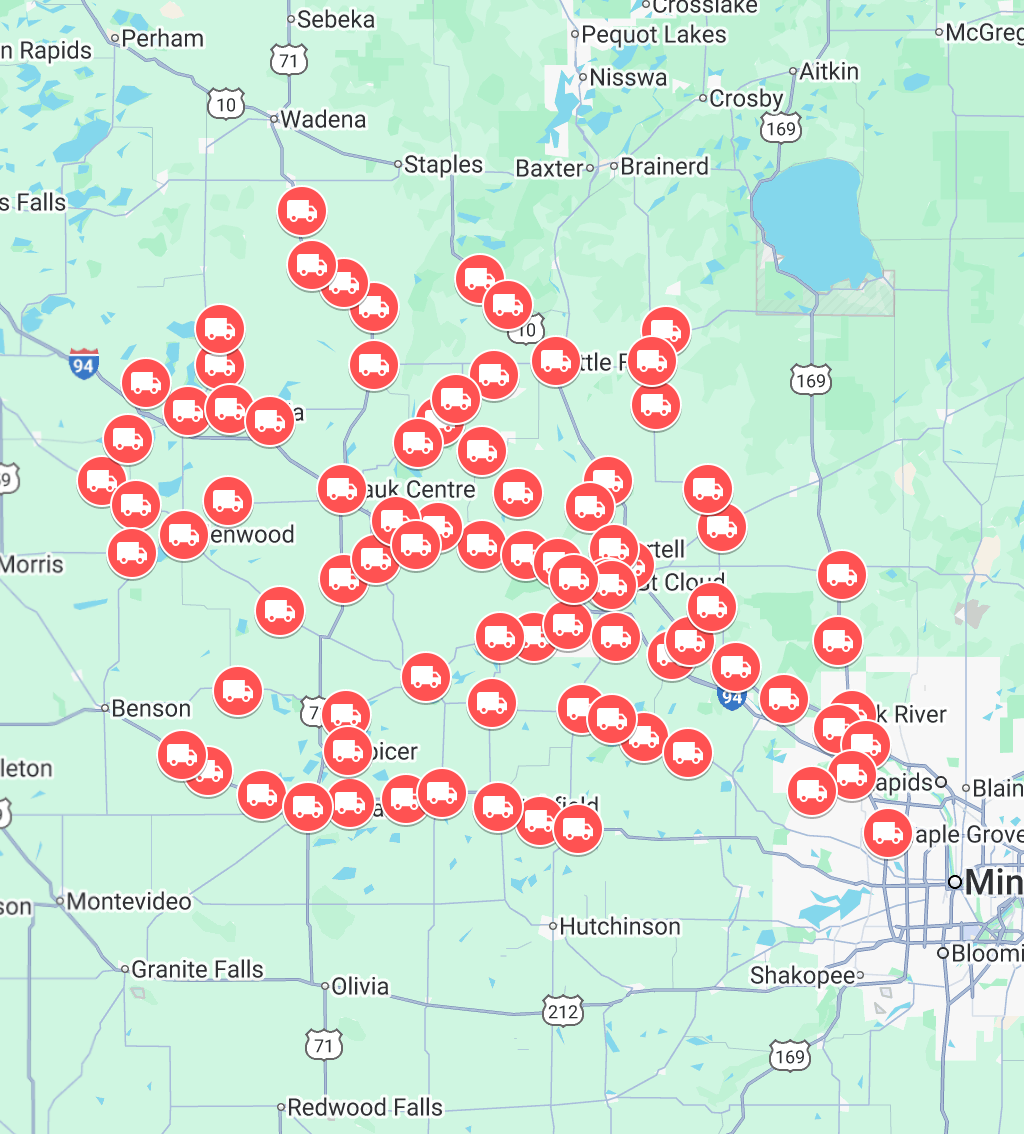
Air Max proudly helps homeowners throughout St. Cloud and Central Minnesota solve heating comfort issues—especially when one room is colder than the rest of the house—with professional service and proven cold-weather solutions.
Call (320) 441-7944 or use our online contact form to schedule a heating evaluation and keep every room warm this winter.