Air Max HVAC Blog & Resource Library
November 3, 2024 | Air Max Heating, Air Conditioning and Refrigeration
Overheating Risks
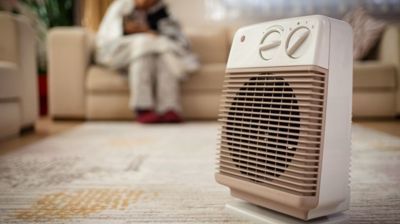
Electrical space heaters, while convenient, come with significant risks, particularly when it comes to overheating. These devices can easily overheat if left on for extended periods or if they malfunction. When a space heater overheats, it can ignite nearby objects or even the heater itself, leading to devastating fires. It's crucial to monitor the heater's temperature and ensure it has an automatic shut-off feature to prevent overheating. Regularly checking the heater for signs of wear and tear can also help mitigate this risk.
Combustible Materials
Another major fire hazard associated with space heaters is their proximity to combustible materials. Items such as curtains, furniture, and bedding can easily catch fire if they come into contact with a space heater. It's essential to place space heaters on flat, stable surfaces, away from any flammable items. Keeping a safe distance of at least three feet from any combustible material is a good rule of thumb. Additionally, never leave a space heater unattended, especially when it's in use near flammable objects.
Faulty Wiring
aulty wiring in space heaters is a hidden danger that can lead to electrical fires. Older or damaged wiring can cause sparks or short circuits, which are particularly hazardous in homes with outdated electrical systems. Regularly inspecting the wiring of your space heater and ensuring it is in good condition can prevent these risks. If you notice any frayed wires or unusual smells, it's best to replace the heater immediately. Investing in a newer model with updated safety features can also provide added peace of mind.
Carbon Monoxide Poisoning
While rare, some space heaters can emit carbon monoxide if they are not properly ventilated. This colorless, odorless gas can be deadly, making it crucial to ensure your space heater is safe and well-ventilated. Using space heaters in well-ventilated areas and installing carbon monoxide detectors can help protect your household from this invisible threat. It's also important to follow the manufacturer's instructions and guidelines to prevent any potential emissions.
Dry Air and Respiratory Issues
Prolonged use of space heaters can significantly dry out the air in your home, leading to respiratory problems and skin irritation. Dry air can exacerbate conditions such as asthma and allergies, making it uncomfortable for those with respiratory issues. To combat this, consider using a humidifier in conjunction with your space heater to maintain a healthy level of humidity in the air. Regularly moisturizing your skin and staying hydrated can also help alleviate the discomfort caused by dry air.
Burn Injuries
Space heaters can pose a significant risk of burn injuries, especially in households with children or pets. Direct contact with the heating element can cause severe burns. To prevent such injuries, always ensure that the space heater is placed out of reach of children and pets. Using space heaters with cool-touch surfaces and protective grills can also reduce the risk of accidental burns. Educating family members about the dangers of touching the heater can further enhance safety.
Circuit Overload
Plugging a space heater into an overloaded circuit can trip breakers or cause electrical fires. Space heaters consume a significant amount of electricity, which can strain your home's electrical system. To prevent circuit overload, avoid using multiple high-wattage appliances on the same circuit as your space heater. It's also advisable to plug the heater directly into a wall outlet rather than using an extension cord, which can further increase the risk of overload.
Extension Cord Risks
Using extension cords with space heaters is a common practice, but it can be extremely dangerous. Extension cords can overheat and cause fires, especially if they are not designed to handle the high wattage of a space heater. If you must use an extension cord, ensure it is a heavy-duty one rated for the heater's power consumption. However, the safest option is to plug the heater directly into a wall outlet to minimize risks.
Short Circuits
Faulty or damaged space heaters can cause short circuits, leading to potential electrical fires. Regularly inspecting your space heater for signs of damage, such as frayed wires or loose connections, can help prevent short circuits. If you notice any issues, it's best to replace the heater immediately. Investing in a high-quality space heater with built-in safety features can also reduce the risk of electrical hazards.
High Energy Bills
One of the downsides of using space heaters is their high energy consumption, which can lead to unexpectedly high energy bills. Space heaters can significantly increase your electricity usage, especially if used frequently. To manage energy costs, consider using the heater only when necessary and opting for energy-efficient models. Setting the thermostat to a lower temperature and using the space heater to warm specific areas can also help reduce energy consumption.
Inefficient Heating
Many space heaters are not energy-efficient and can waste electricity without providing adequate warmth. Inefficient heaters can lead to uneven heating, leaving some areas of your home cold while others are overly warm. To ensure efficient heating, choose a space heater that is appropriately sized for the room you intend to heat. Additionally, using a heater with a thermostat can help maintain a consistent temperature and prevent energy waste.
Alternative Heating Options
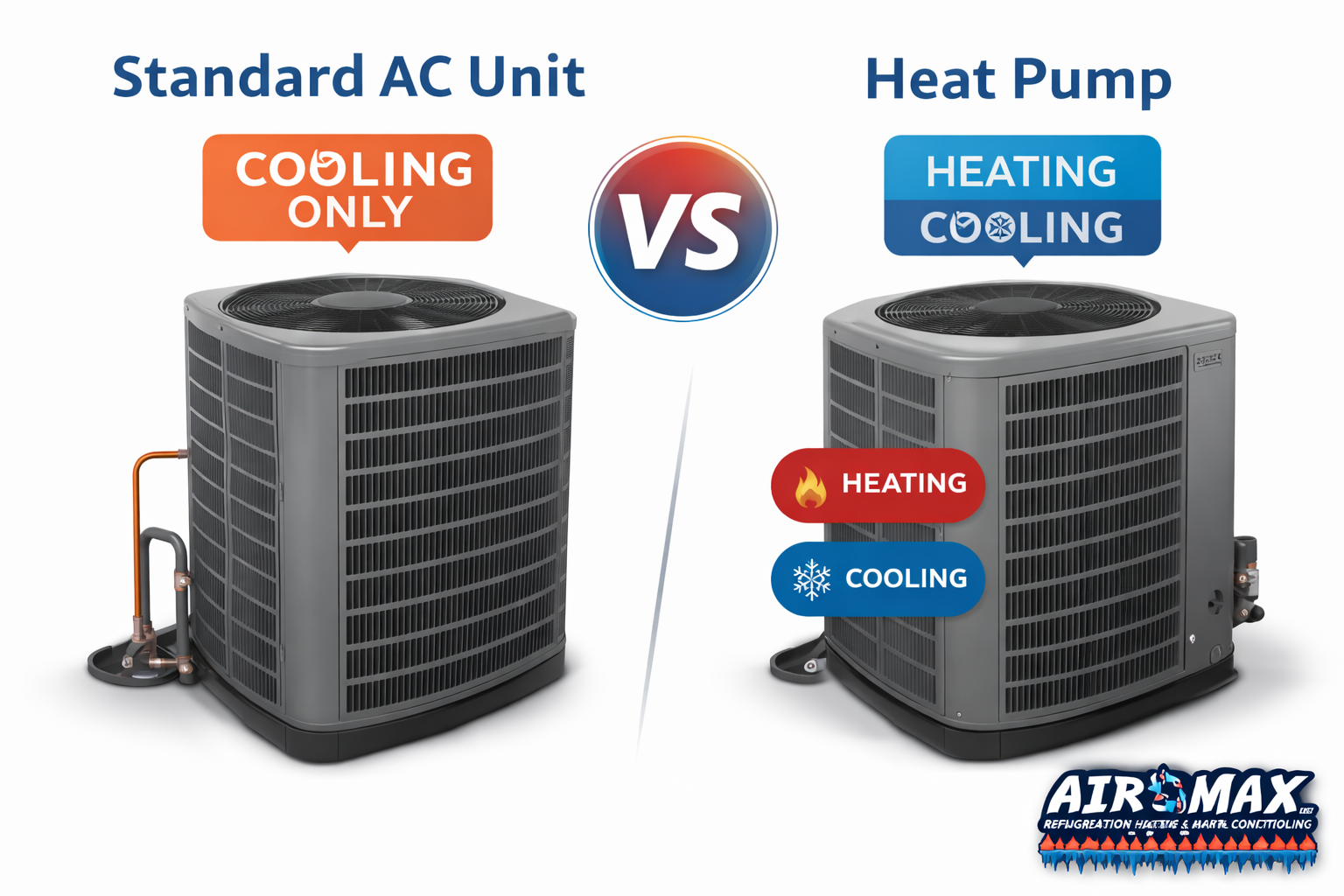
Exploring more energy-efficient heating options can save money and reduce risks. Central heating systems, for example, can provide consistent warmth throughout your home without the hazards associated with space heaters. Radiant floor heating and heat pumps are other efficient alternatives that can offer comfortable and safe heating. Consulting with a professional HVAC technician can help you identify the best heating solution for your home.
Proper Placement
Ensuring proper placement of space heaters is crucial for safety. Place space heaters on flat, stable surfaces away from flammable materials. Avoid placing them on carpets or rugs, which can easily catch fire. Keeping the heater at least three feet away from any combustible items and ensuring it is not obstructed by furniture can further enhance safety. Always follow the manufacturer's guidelines for placement and use.
Regular Maintenance
Regular maintenance of space heaters is essential to ensure they are in good working condition. Cleaning the heater regularly to remove dust and debris can prevent overheating and improve efficiency. Inspecting the heater for signs of wear and tear, such as frayed wires or loose connections, can help identify potential hazards before they become serious issues. Scheduling annual inspections with a professional can also ensure your heater remains safe and efficient.
Safety Features
Investing in space heaters with built-in safety features can provide added peace of mind. Look for heaters with automatic shut-off functions that turn the heater off if it overheats or tips over. Other safety features to consider include cool-touch surfaces, protective grills, and timers that allow you to set the heater to turn off after a certain period. These features can significantly reduce the risk of accidents and enhance overall safety.
Air Max Offers Safe Heating Options for Your Home
While electrical space heaters can provide a quick and convenient source of warmth, they come with significant risks that should not be overlooked. By understanding the dangers and taking appropriate safety precautions, you can protect your home and loved ones from potential hazards. If you're looking for safer, more efficient heating solutions, consider consulting with the experts at Air Max Heating, Air Conditioning, and Refrigeration. From boilers to mini-splits, our team of professionals is dedicated to helping you find the best heating options for your home. Contact us today to learn more about our services and how we can help you stay warm and safe this winter.
Air Max is available by phone at 888-732-6916 or you can always send us a message online.