A white background with a few lines on it

Air Max HVAC Blog & Resource Library
A man is working on a machine in a factory.

October 1, 2024 | Air Max Heating, Air Conditioning and Refrigeration

Check and Replace Air Filters

One of the simplest yet most effective ways to maintain your heating system is by regularly checking and replacing the air filters. Over time, air filters can become clogged with dust, dirt, and other debris, which can significantly impede airflow and reduce the efficiency of your heating system. A dirty filter forces your system to work harder, consuming more energy and potentially leading to higher utility bills. By replacing the air filter every one to three months, you can ensure that your system operates smoothly and efficiently, providing consistent warmth throughout your home.

Clean Vents and Ducts

Another crucial aspect of preparing your heating system for winter is cleaning the vents and ducts. Dust and debris can accumulate in these areas, not only reducing the efficiency of your system but also affecting the air quality in your home. Dirty ducts can circulate allergens and other pollutants, which can be particularly problematic for individuals with respiratory issues. By thoroughly cleaning the vents and ducts, you can improve airflow, enhance system performance, and ensure that the air circulating in your home is clean and healthy.

Thermostat Calibration

Ensuring that your thermostat is accurately calibrated is essential for maintaining a comfortable indoor temperature. An improperly calibrated thermostat can lead to inconsistent heating, causing some areas of your home to be too warm while others remain cold. To calibrate your thermostat, compare its reading with a reliable thermometer placed nearby. If there is a discrepancy, consult your thermostat’s manual for calibration instructions or consider hiring a professional to perform the task. Accurate thermostat calibration helps in maintaining the desired temperature efficiently, reducing energy consumption and costs.

System Performance Test

Running a full system performance test is another critical step in preparing your heating system for winter. This involves turning on your heating system and allowing it to run for a while to check for any irregularities or inefficiencies. Pay attention to how quickly the system heats your home and whether it maintains a consistent temperature. Additionally, listen for any unusual noises that could indicate mechanical issues. If you notice any problems, it’s best to address them promptly to avoid more significant issues down the line. A thorough performance test ensures that your system is ready to handle the demands of the winter season.

Inspect Carbon Monoxide Detectors

Safety should always be a top priority when preparing your heating system for winter. One of the most critical safety checks is ensuring that your carbon monoxide detectors are functioning correctly. Carbon monoxide is a colorless, odorless gas that can be deadly if undetected. Test each detector by pressing the test button and replace batteries if needed. If your detectors are more than seven years old, consider replacing them entirely. Properly functioning carbon monoxide detectors provide an essential layer of protection for you and your family.

Check for Gas Leaks

Another vital safety precaution is checking for gas leaks. Inspect all gas lines and connections for any signs of leaks, such as a rotten egg smell or hissing sounds. Gas leaks can lead to dangerous situations, including fires or explosions. If you suspect a gas leak, evacuate your home immediately and contact your gas company or a professional technician. Regularly inspecting gas lines and addressing any issues promptly can prevent potentially hazardous situations and ensure the safe operation of your heating system.

Schedule Professional Maintenance

To keep your heating system in top condition, it’s advisable to schedule professional maintenance at least once a year. A certified technician can perform a comprehensive inspection and tune-up, identifying and addressing any potential issues before they become major problems. Professional maintenance typically includes cleaning components, checking for wear and tear, and ensuring that the system operates efficiently. By investing in regular professional maintenance, you can extend the lifespan of your heating system and avoid costly repairs.

Address Minor Repairs

In addition to professional maintenance, it’s essential to address any minor repairs promptly. Small issues, such as loose screws or worn-out belts, can escalate into more significant problems if left unattended. Regularly inspect your heating system for any signs of wear and tear and make necessary repairs as soon as possible. Taking care of minor repairs not only prevents more extensive damage but also ensures that your system operates efficiently, providing reliable heating throughout the winter months.

Seal Windows and Doors

Improving the energy efficiency of your home can help reduce heating costs and ensure a comfortable indoor environment. One effective way to enhance energy efficiency is by sealing windows and doors. Use weather stripping or caulk to seal any gaps and cracks that could allow cold air to enter and warm air to escape. Properly sealing windows and doors can prevent heat loss, making it easier for your heating system to maintain a consistent temperature and reducing the overall energy consumption.

Install a Programmable Thermostat

Another excellent energy efficiency tip is to install a programmable thermostat. Programmable thermostats allow you to set specific heating schedules, ensuring that your home is warm when you need it and conserving energy when you don’t. For example, you can program the thermostat to lower the temperature while you’re at work and raise it before you return home. This not only enhances comfort but also helps reduce energy costs. Investing in a programmable thermostat is a smart way to optimize your heating system’s performance and achieve significant energy savings.

Air Max Is Here to Keep Your Home Warm

As winter approaches, ensuring that your heating system is ready to handle the cold weather is crucial for maintaining a comfortable and safe home environment. By following the steps outlined in this guide, you can prepare your heating system for the winter months and enjoy efficient, reliable heating. However, some tasks are best left to professionals. At Air Max Heating, Air Conditioning, and Refrigeration, we offer comprehensive heating installation and repair services for your home. Our certified technicians are equipped to handle all your heating system needs, from routine maintenance to emergency fixes. Contact us today to schedule an appointment and ensure your home stays warm and cozy all winter long.


Call Air Max now at (320) 252-5602 or send us a message online.

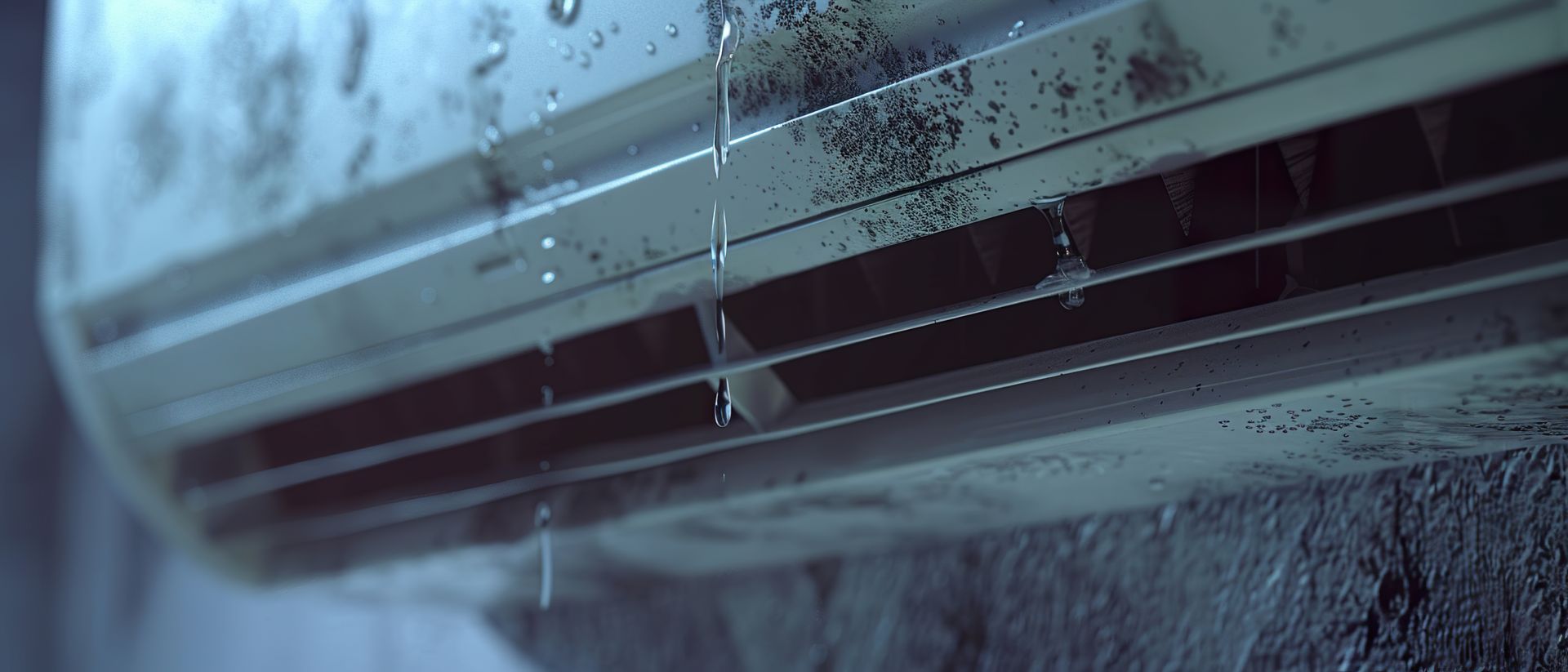
Air conditioning leaking water
By Air Max Refrigeration, Heating, and Ice Conditioning February 18, 2026
Is your AC leaking in St Cloud? Learn common causes and get fast, reliable repairs from Air Max Refrigerating, Heating & Air Conditioning. Call today.
Technician working on a HVAC system
By Air Max February 14, 2026
Is your HVAC not blowing hot air in St. Cloud? Learn the most common causes, warning signs, and when to call Air Max for expert heating repair.
Red brick building with a window featuring an air conditioner and green shutters.
By Air Max January 30, 2026
Furnace keeps running during winter in St. Cloud? It could mean airflow issues, heat loss, or system strain. Here's what’s normal & how to fix it fast.
Snowy village scene with smoke rising from chimneys into a pale blue sky.
By Air Max January 19, 2026
Why Your Furnace Keeps Turning On and Off (Short Cycling) in Winter  If your furnace turns on, runs for only a few minutes, shuts off, and then starts again shortly after, that’s not normal—and it’s not efficient. This problem is called short cycling , and it’s one of the most common heating issues homeowners experience during cold Minnesota weather. Short cycling can make your home feel less comfortable, increase energy bills, and put extra wear and tear on your furnace. In some cases, it can even lead to a complete breakdown during the time you need heat the most. In this guide, Air Max explains what furnace short cycling is, why it happens, and when it’s time to call a professional. What Is Furnace Short Cycling? A healthy furnace cycle typically runs long enough to heat your home evenly before shutting off. Short cycling happens when the furnace shuts down before completing a full heating cycle—then restarts again soon after. Instead of delivering steady, consistent comfort, short cycling often causes: Uneven temperatures throughout the home Frequent thermostat adjustments Extra strain on furnace components Higher heating costs Common Causes of Furnace Short Cycling 1) Dirty Furnace Filter One of the most common causes of short cycling is a clogged air filter. When airflow is restricted, the furnace can overheat and shut down as a safety measure. What you can do: Replace your furnace filter Make sure return vents aren’t blocked Confirm supply vents are open If your filter gets dirty quickly, it may be a sign of airflow imbalance or indoor air quality issues. 2) Thermostat Problems A malfunctioning thermostat (or one installed in the wrong spot) can cause your furnace to cycle too frequently. Thermostat issues may include: Incorrect temperature readings Loose wiring Poor placement near drafts, windows, or heat sources A simple thermostat adjustment or upgrade can sometimes solve the issue. 3) Overheating Furnace If internal components overheat, your furnace may shut off early to protect itself. This can happen due to: Airflow restrictions Dirty burners Blower motor issues Heat exchanger problems Overheating should be taken seriously because it can lead to more costly repairs if ignored. 4) Improper Furnace Sizing A furnace that is too large for the home can heat the space too quickly, shut off, then restart repeatedly. While it may sound like “more power” is better, oversized systems often create: Temperature swings Noisy operation Less efficient heating Increased wear on parts Proper sizing is key for consistent comfort, especially during long winters. 5) Flame Sensor or Ignition Issues Your furnace relies on sensors to confirm safe operation. If a flame sensor is dirty or faulty, the furnace may shut down shortly after ignition. Common signs include: Furnace starts, then stops quickly Repeated attempts to restart Trouble staying lit This is a common repair and often inexpensive when caught early. Is Furnace Short Cycling an Emergency? Short cycling doesn’t always mean immediate danger—but it can quickly become serious if it’s caused by overheating, electrical issues, or a failing component. You should call for service if: Your furnace is cycling every few minutes Your home won’t stay warm You notice burning smells or unusual noises You see higher-than-usual heating bills The problem keeps getting worse The sooner you address it, the more likely it can be fixed with a simple adjustment or minor repair. How Air Max Fixes Furnace Short Cycling When Air Max inspects a short cycling furnace, we look at the full system—not just one part. This often includes checking: Furnace filter and airflow restrictions Thermostat operation and placement Safety sensors and ignition components Blower motor performance System sizing and ductwork balance Once the cause is identified, we recommend the most effective fix to restore reliable heat and protect your system. Stop Furnace Short Cycling with Help from Air Max If your furnace can’t stay running long enough to heat your home comfortably, don’t wait for a complete breakdown—especially during Minnesota winter weather. Air Max proudly serves homeowners throughout St. Cloud and Central Minnesota with furnace repair, maintenance, and heating performance solutions built for cold climates. Call (320) 441-7944 or use our online contact form to schedule service and keep your home warm, efficient, and reliable all winter long.
An open window in a cold room during cold st cloud winters
By Air Max January 19, 2026
Why is one room colder in your St. Cloud home during the winter? Learn common causes of uneven heating and how HVAC solutions restore comfort.
Woman assembling air purifier with screwdriver in a lab.
By Air Max December 29, 2025
Dry indoor air is common in Minnesota winters. Air Max explains why it happens, ideal humidity levels, and how HVAC humidifiers improve comfort.
Person opening a wood-burning stove to tend the fire inside with a poker. Flames and embers glow.
By Air Max Heating, Air Conditioning and Refrigeration December 10, 2025
Learn whether cold-climate heat pumps or furnaces work best in Minnesota winters. Air Max LLC explains efficiency, reliability, and comfort for cold weather.
Graphic: Minnesota HVAC rebates in 2025. Text:
By Air Max Refrigeration, Heating & Air Conditioning November 20, 2025
Learn how Minnesota homeowners can save with 2025 HVAC rebates, tax credits, and utility incentives. Discover eligibility, programs, and how to apply.
Ad for Air Max: Upgrade furnace/AC in Minnesota, save with 2025 tax credits.
September 16, 2025
This blog post is brought to you by Air Max, a trusted Minnesota HVAC company specializing in energy-efficient furnace and air-conditioning installations.
Two air conditioners are sitting outside of a brick building.
By Air Max Heating, Air Conditioning and Refrigeration June 1, 2025
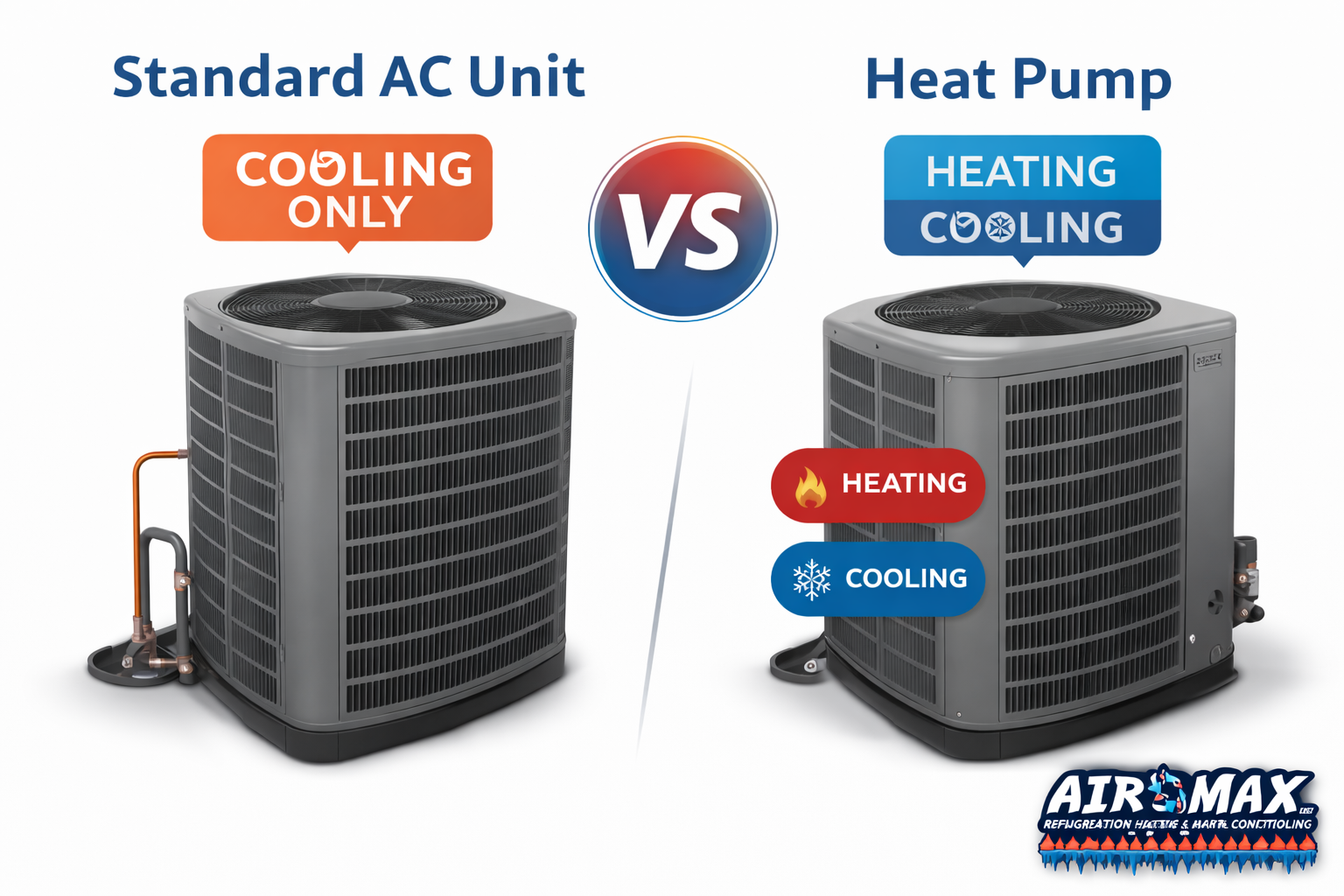
Choosing the best HVAC system for your home or business can feel overwhelming. Each type has its strengths and weaknesses, and understanding these can help you make an informed decision. Here’s a closer look at the pros and cons of some popular HVAC systems.