Air Max HVAC Blog & Resource Library
December 2, 2024 | Air Max Heating, Air Conditioning and Refrigeration
How St. Cloud Homeowners Can Improve Winter Energy Efficiency
Sealing Gaps and Cracks
One of the most effective ways to maximize energy efficiency during the colder months is by sealing gaps and cracks in your home. Common areas where heat escapes include windows, doors, and attic spaces. Identifying these areas is crucial for maintaining a warm and energy-efficient home. For instance, you might notice drafts around your windows and doors, which can be easily fixed using weatherstripping. This material is designed to seal the gaps and prevent cold air from entering and warm air from escaping. Additionally, caulk can be used to seal smaller cracks and gaps around window frames and baseboards. Foam sealants are another excellent option for larger gaps, particularly in attic spaces where significant heat loss can occur. By addressing these common problem areas, you can significantly reduce heat loss and improve your home's overall energy efficiency.
Upgrading Insulation
Upgrading your home's insulation is another critical step in maximizing energy efficiency. There are various types of insulation materials available, including fiberglass, foam, and cellulose, each with its unique benefits. Fiberglass insulation is one of the most common and cost-effective options, offering good thermal resistance. Foam insulation, on the other hand, provides excellent air sealing and higher R-values, making it ideal for areas prone to drafts. Cellulose insulation, made from recycled paper products, is an eco-friendly option that also offers good thermal performance. Proper insulation in attics, walls, and basements is essential for maintaining a consistent indoor temperature and reducing energy consumption. For example, insulating your attic can prevent warm air from rising and escaping through the roof, while wall insulation helps to keep the cold air out and the warm air in. By upgrading your insulation, you can create a more comfortable living environment and lower your energy bills.
Window Treatments
Windows are another significant source of heat loss in homes, but there are several ways to enhance their energy efficiency. Energy-efficient window options, such as double glazing and low-E coatings, can significantly reduce heat loss. Double-glazed windows consist of two glass panes with a layer of gas in between, providing better insulation than single-pane windows. Low-E coatings are thin, invisible layers applied to the glass that reflect heat back into the room, keeping it warmer during the winter months. In addition to upgrading your windows, consider using thermal curtains and window films. Thermal curtains are made from thick, insulating materials that help to trap heat inside your home, while window films can reduce heat loss by reflecting heat back into the room. By investing in energy-efficient window treatments, you can enhance your home's insulation and reduce your heating costs.
Efficient Use of Thermostats
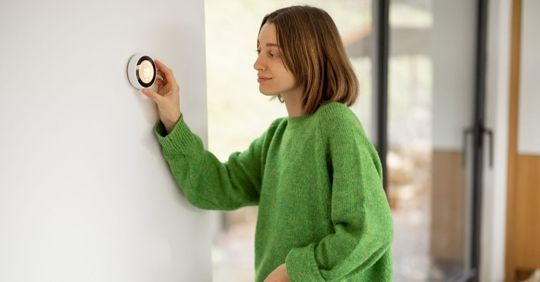
Optimizing your heating system is essential for maximizing energy efficiency, and one of the best ways to do this is by using thermostats efficiently. Programmable and smart thermostats offer numerous benefits, including the ability to set different temperatures for different times of the day. For example, you can program your thermostat to lower the temperature at night when you're asleep and raise it in the morning before you wake up. This not only ensures a comfortable living environment but also reduces energy consumption. Smart thermostats take this a step further by learning your schedule and preferences, automatically adjusting the temperature to maximize efficiency. They can also be controlled remotely via smartphone apps, allowing you to make adjustments even when you're not at home. By utilizing programmable and smart thermostats, you can optimize your heating system and save on energy costs.
Regular Maintenance of Heating Systems
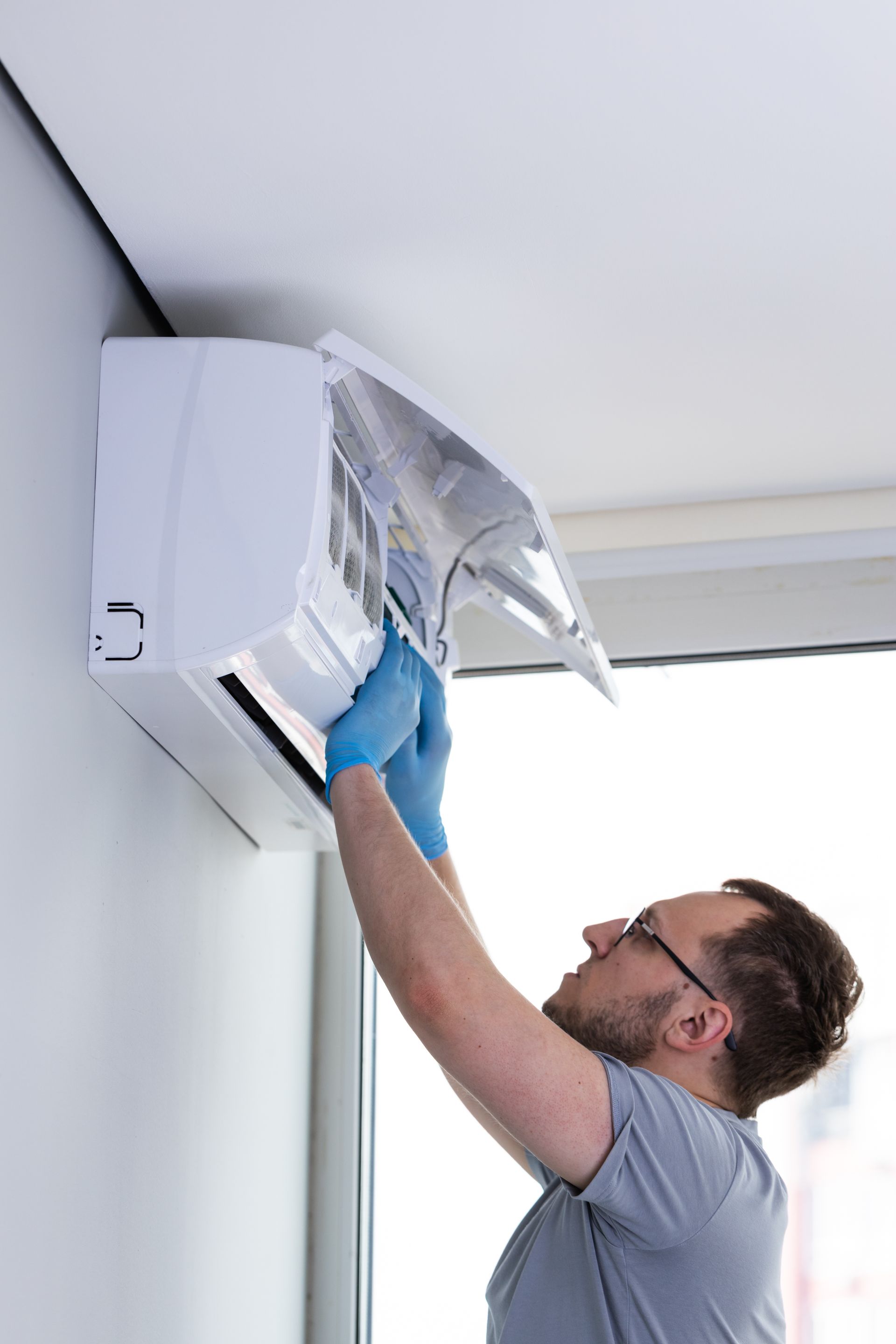
Regular maintenance of your heating system is crucial for ensuring its efficiency and longevity. Annual HVAC inspections and tune-ups can identify potential issues before they become major problems, helping to maintain optimal performance. During an inspection, a professional technician will check various components of your heating system, including the furnace, heat exchanger, and thermostat, to ensure they are functioning correctly. They will also clean and replace filters, which is essential for maintaining good airflow and preventing the system from working harder than necessary. Homeowners can also perform some maintenance tasks themselves, such as checking for leaks in ductwork and ensuring vents are not blocked. By keeping your heating system well-maintained, you can improve its efficiency, reduce energy consumption, and extend its lifespan.
Upgrading to Energy-Efficient Heating Systems
If your current heating system is outdated or inefficient, upgrading to an energy-efficient model can provide significant benefits. There are various heating systems to choose from, including heat pumps, furnaces, and boilers, each with its advantages. Heat pumps are highly efficient, as they transfer heat rather than generate it, making them an excellent option for moderate climates. Furnaces, particularly those with ENERGY STAR ratings, offer high efficiency and reliability, making them a popular choice for many homeowners. Boilers, which use water to distribute heat, can also be highly efficient, especially when paired with modern controls and zoning systems. ENERGY STAR-rated heating equipment is designed to meet strict efficiency guidelines, ensuring optimal performance and energy savings. By upgrading to an energy-efficient heating system, you can reduce your energy consumption, lower your utility bills, and enjoy a more comfortable home.
Energy Audits
Conducting an energy audit is an effective way to identify inefficiencies in your home and find opportunities for improvement. An energy audit involves a thorough assessment of your home's energy use, including an inspection of insulation, heating systems, and appliances. A professional energy auditor will use specialized tools, such as blower doors and infrared cameras, to detect air leaks and insulation gaps. They will also provide a detailed report with recommendations for improving energy efficiency. Homeowners can also perform a DIY energy audit by checking for drafts, inspecting insulation, and evaluating the efficiency of heating systems and appliances. However, a professional audit provides a more comprehensive analysis and tailored recommendations. By conducting an energy audit, you can gain valuable insights into your home's energy use and take steps to improve efficiency.
Smart Home Technology
Smart home technology offers numerous opportunities for enhancing home energy management. Various smart devices can help monitor and reduce energy usage, providing greater control and convenience. For example, smart plugs allow you to control the power supply to individual devices, preventing them from drawing energy when not in use. Energy monitors provide real-time data on your home's energy consumption, helping you identify high-usage areas and make informed decisions about energy use. Automated lighting systems, such as smart bulbs and motion sensors, can reduce energy waste by ensuring lights are only on when needed. Additionally, smart thermostats, as mentioned earlier, can optimize heating and cooling schedules for maximum efficiency. By incorporating smart home technology, you can enhance your home's energy management and reduce energy consumption.
Behavioral Changes
Simple behavioral changes can also have a significant impact on home energy efficiency. For example, closing doors to unused rooms can prevent heat from escaping and reduce the workload on your heating system. Using ceiling fans to circulate warm air can help distribute heat more evenly throughout your home, reducing the need for additional heating. Encouraging practices such as layering clothing and using blankets can also reduce reliance on heating systems, allowing you to lower the thermostat without sacrificing comfort. Additionally, being mindful of energy use, such as turning off lights and unplugging devices when not in use, can contribute to overall energy savings. By adopting these simple habits, you can improve your home's energy efficiency and reduce your energy bills.
Solar Energy
Utilizing renewable energy sources, such as solar energy, can significantly enhance your home's energy efficiency during the colder months. Solar panels work by converting sunlight into electricity, which can be used to power your home. Even during winter months, solar panels can generate a substantial amount of energy, particularly on sunny days. The benefits of solar energy include reduced reliance on fossil fuels, lower energy bills, and a smaller carbon footprint. Additionally, there are various incentives and rebates available for installing solar panels, making it a more affordable option for homeowners. Federal and state programs often offer tax credits and rebates for solar installations, helping to offset the initial investment. By harnessing the power of solar energy, you can enhance your home's energy efficiency and contribute to a more sustainable future.
Geothermal Heating
Geothermal heating is another renewable energy source that offers significant efficiency advantages. Geothermal systems work by utilizing the stable temperatures below the Earth's surface to heat and cool your home. These systems consist of a heat pump and a series of underground pipes, known as a ground loop, which transfer heat between your home and the ground. Geothermal heating systems are highly efficient, as they require less energy to operate compared to traditional heating systems. The installation process involves drilling and laying the ground loop, which can be a significant investment. However, the long-term cost savings and efficiency benefits make it a worthwhile option for many homeowners. By investing in geothermal heating, you can reduce your energy consumption, lower your utility bills, and enjoy a more sustainable heating solution.
Wind Energy
Wind energy is another renewable energy source that can be utilized for residential use. Small wind turbines can be installed on your property to generate electricity from wind power. The feasibility of wind energy depends on various factors, including wind speed and zoning regulations in your area. While the initial investment for wind turbines can be high, the long-term benefits include reduced energy bills and a smaller carbon footprint. Wind energy is a clean and renewable source of power, making it an excellent option for environmentally conscious homeowners. By exploring the feasibility of wind energy for your home, you can take advantage of this renewable resource and enhance your home's energy efficiency.
Government Programs
There are numerous government programs available that offer rebates and tax credits for energy-efficient upgrades. These programs are designed to encourage homeowners to invest in energy-efficient technologies and reduce their overall energy consumption. Federal programs, such as the Residential Renewable Energy Tax Credit, provide significant tax credits for installing renewable energy systems, including solar panels and geothermal heat pumps. State and local programs may also offer additional incentives, such as rebates for energy-efficient appliances and home improvements. Homeowners can find more information about these programs through resources like the U.S. Department of Energy and local government websites. By taking advantage of government programs, you can offset the cost of energy-efficient upgrades and enjoy long-term savings.
Utility Company Rebates
Utility companies often offer rebates for energy-efficient appliances and home improvements as part of their efforts to promote energy conservation. These rebates can help reduce the upfront cost of purchasing and installing energy-efficient products, making them more accessible to homeowners. Common rebates include those for ENERGY STAR-rated appliances, programmable thermostats, and insulation upgrades. To apply for these rebates, homeowners typically need to provide proof of purchase and installation, along with any required documentation from the utility company. By exploring the rebates offered by your local utility company, you can take advantage of financial incentives and make energy-efficient upgrades more affordable.
Financing Options
There are various financing options available to help homeowners invest in energy-efficient upgrades. Energy-efficient mortgages, for example, allow borrowers to include the cost of energy improvements in their mortgage, making it easier to finance these upgrades. Home improvement loans are another option, providing funds specifically for home renovations and energy-efficient projects. When choosing a financing option, it's essential to consider factors such as interest rates, repayment terms, and eligibility requirements. By selecting the right financing option, you can make energy-efficient upgrades more affordable and enjoy the long-term benefits of reduced energy consumption and lower utility bills.
Air Max Is Proud to Help You Save Money
As the colder months arrive, now is the perfect time to take steps to maximize your home's energy efficiency. Whether it's upgrading your insulation, optimizing your heating system, or exploring renewable energy sources, there are numerous ways to reduce your energy consumption and lower your utility bills.
At Air Max Heating, Air Conditioning, and Refrigeration, we are proud to help homeowners achieve their energy efficiency goals. Our team of HVAC experts are here to help ensure your heating system is operating at peak performance. Contact us today to schedule a consultation and discover how we can help you create a more comfortable and energy-efficient home.
Send us a message online or give us a call at (320) 818-5588 to learn more about our services.