Air Max HVAC Blog & Resource Library
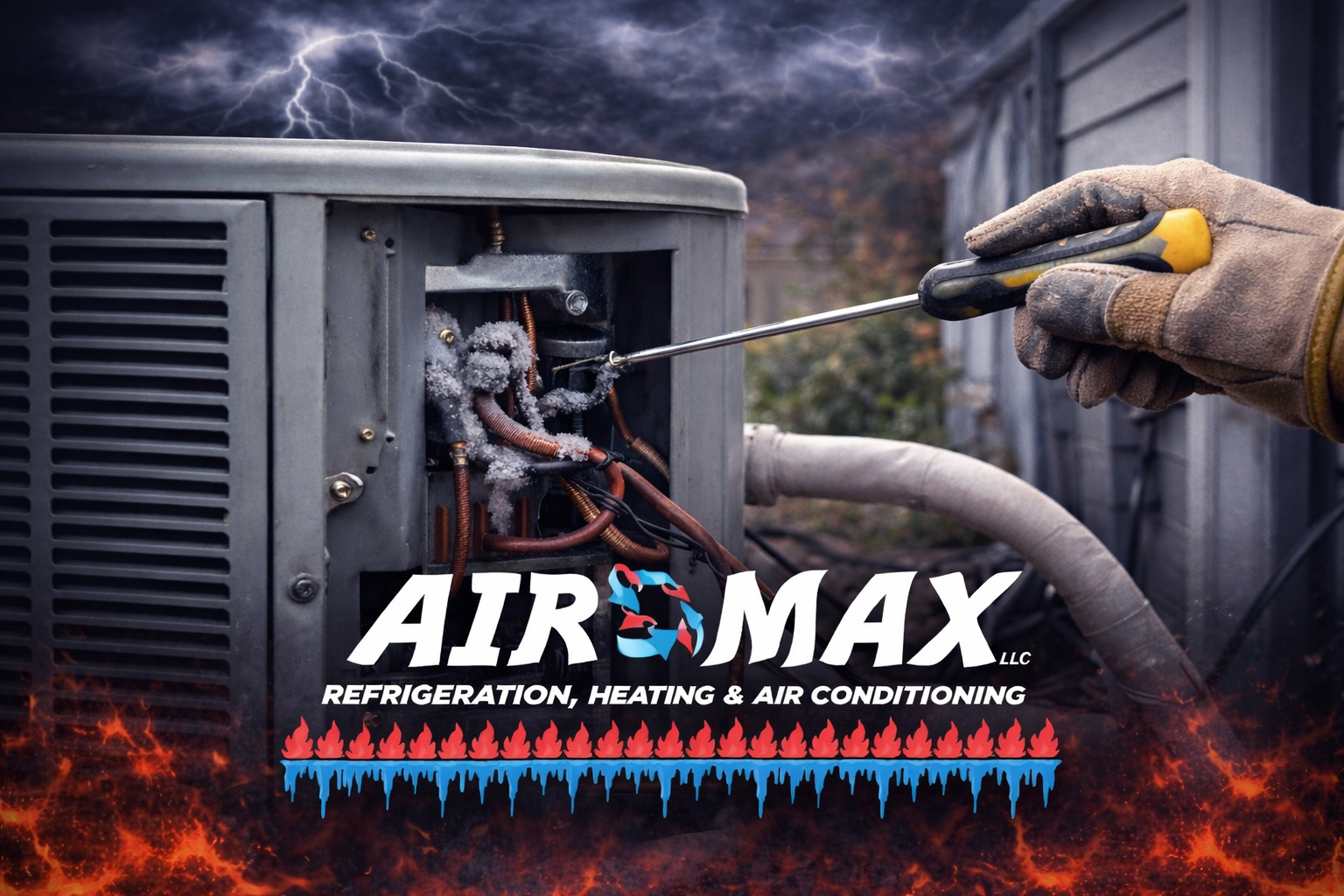
Power Surge After a Storm in St. Cloud, MN Killed My AC — Now What?
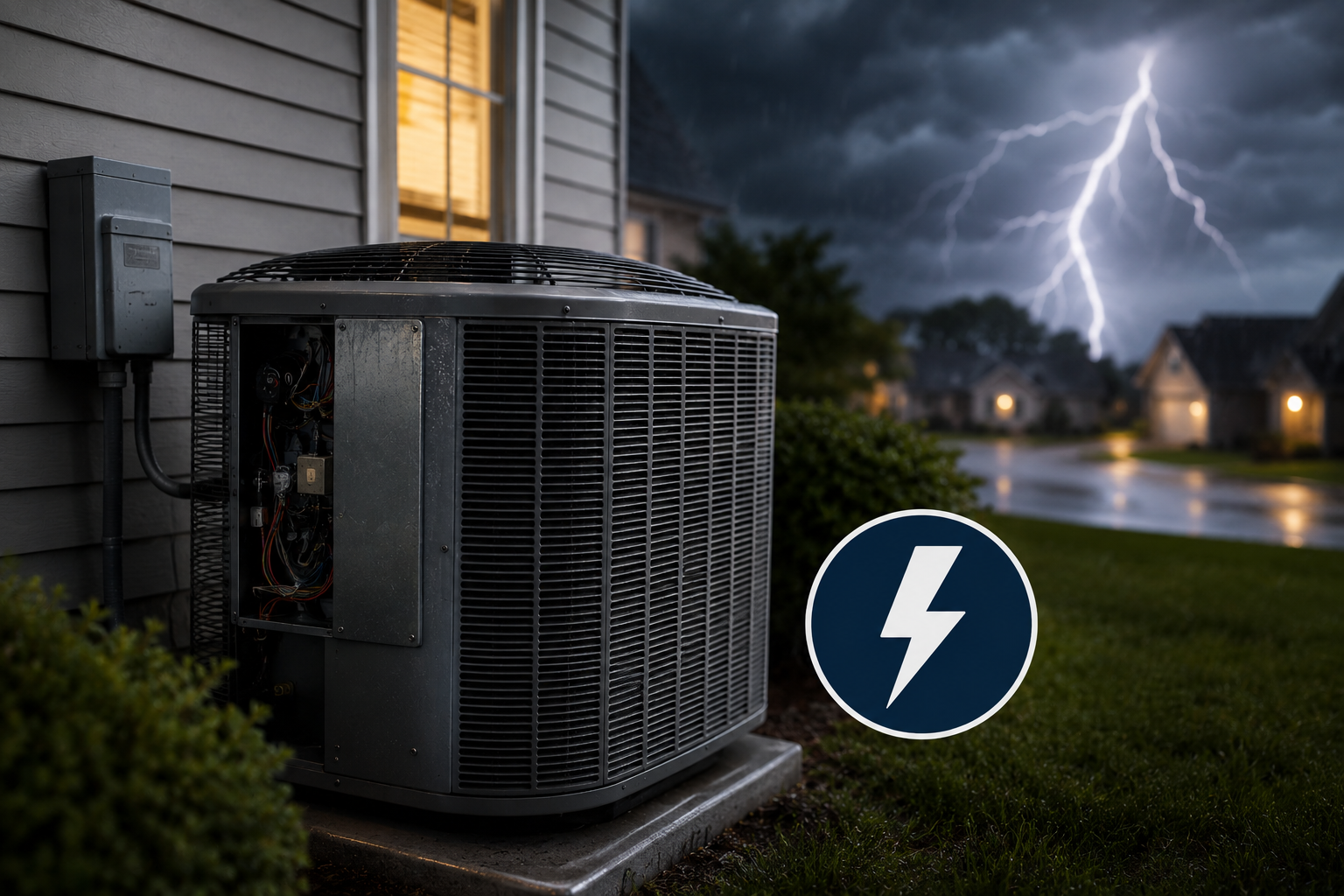
St. Cloud homeowners know how quickly Minnesota storms can roll through, bringing lightning, strong winds, and unexpected power outages.
Unfortunately, those same storms can also create power surges that damage or destroy your air conditioning system.
If a storm recently passed through and your AC suddenly won't turn on, blows warm air, trips breakers, or is acting strangely, a power surge may be the culprit. The good news is that not every surge-damaged system needs to be replaced. Taking the right steps immediately can help protect your investment, simplify the insurance process, and get your home comfortable again.
How Power Surges Damage Air Conditioning Systems
Many homeowners assume a power surge only affects computers, televisions, or appliances inside the home.
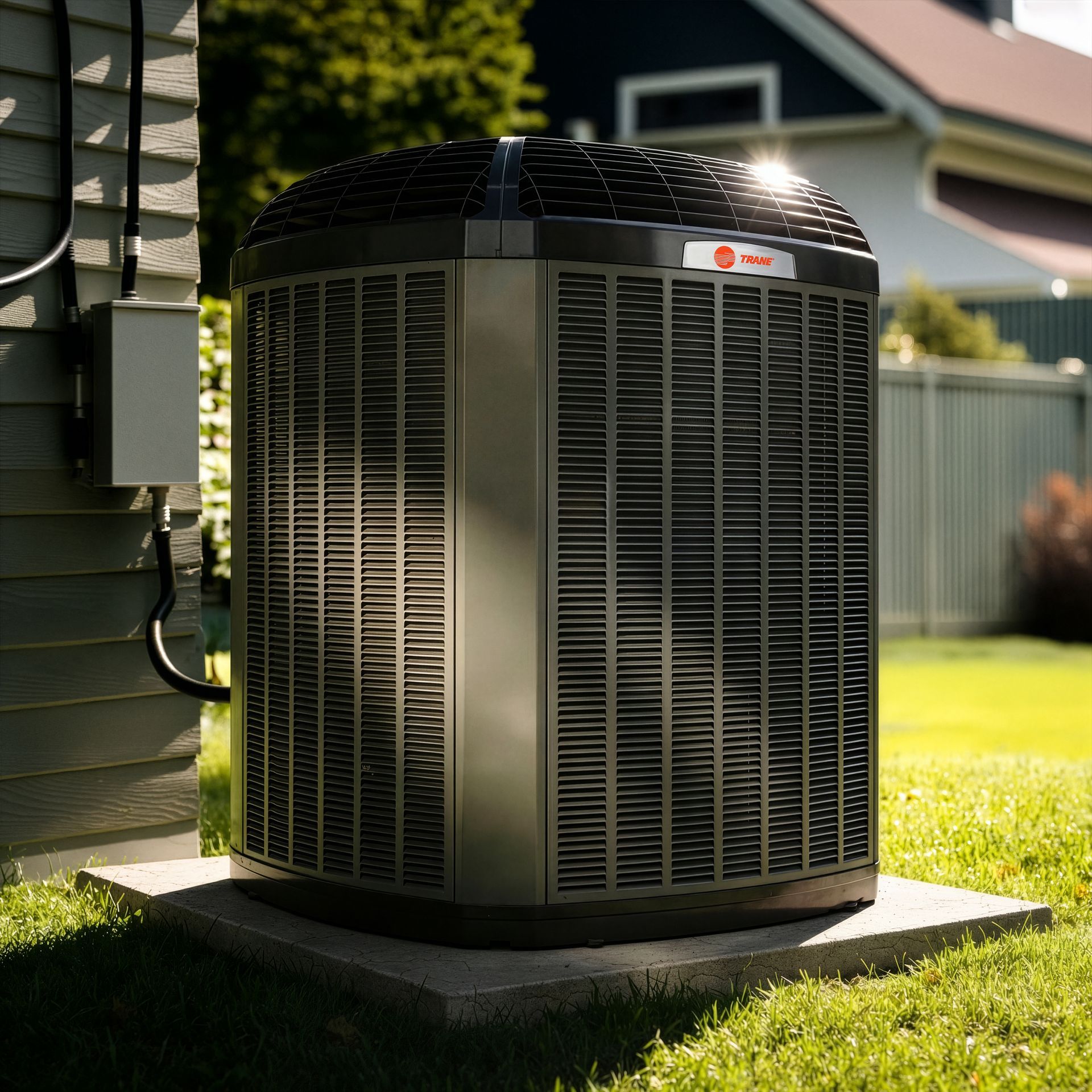
In reality, your air conditioner contains sensitive electrical components that can be damaged by lightning strikes, utility interruptions, or sudden power restoration after an outage.
Common AC components affected by power surges include:
- Capacitors
- Contactors
- Control boards
- Thermostats
- Compressors
- Circuit breakers
In severe cases, a surge can damage multiple components at once, leaving the entire system inoperable.
Signs a Storm-Related Power Surge Damaged Your AC
Sometimes the damage is immediate. Other times, a surge weakens components that fail days or weeks later.
Watch for these common warning signs:
- The AC won't turn on after power is restored
- The thermostat appears blank or unresponsive
- The system trips the breaker repeatedly
- Warm air blows from the vents
- The outdoor unit won't start
- Strange buzzing or clicking noises occur
- Burning odors are present near the equipment
If any of these symptoms appear after a storm, it's best to stop running the system and schedule an inspection.
What to Do Immediately After a Storm Damages Your AC
If you suspect a power surge has affected your air conditioner, follow these steps.
1. Turn Off the System
Avoid repeatedly trying to restart the unit. Continuing to run a damaged system can worsen the problem and increase repair costs.
2. Check the Breaker
Look for a tripped breaker in your electrical panel. If it has tripped once, you can reset it carefully.
However, if the breaker trips again, leave it off and contact a professional.
3. Document the Damage
Take photos of:
- Your thermostat display
- Any visible damage
- Error codes
- Electrical panels
- The outdoor unit
Documentation can be helpful if you need to file a homeowners insurance claim.
4. Contact Your Insurance Company
Some storm-related surge damage may be covered under your homeowners insurance policy.
Every policy is different, but many carriers will ask for:
- Photos
- Service reports
- Repair estimates
- Dates of the storm event
The sooner you begin documenting everything, the smoother the process usually becomes.
5. Schedule a Professional HVAC Inspection
An HVAC technician can determine exactly which components were affected and whether repair or replacement is the most cost-effective solution.
Is AC Surge Damage Covered by Homeowners Insurance?
Many homeowners are surprised to learn that storm-related electrical damage is often covered.
Coverage depends on:
- Your specific policy
- The cause of the surge
- Deductible amounts
- The age of the equipment
Insurance companies typically require verification from a licensed HVAC contractor before approving claims.
That's why having a professional inspection performed as soon as possible is important.
Can a Power Surge Destroy an Entire AC System?
Unfortunately, yes.
Minor surges may only damage a capacitor or contactor.
However, large lightning-related surges can damage expensive components such as the compressor or control board.
When multiple major components fail, replacement may become more practical than repair.
An HVAC professional can help determine whether repairing the system or installing a new unit offers the best long-term value.
How to Protect Your AC from Future Storm Damage
While no system is completely immune to lightning, there are several ways to reduce your risk.
Install an HVAC Surge Protector
Dedicated surge protection devices help absorb electrical spikes before they reach sensitive HVAC components.
Consider Whole-Home Surge Protection
A whole-home surge protector provides protection for your HVAC system and other major electronics throughout the home.
Schedule Annual AC Maintenance
Routine inspections can identify weakened electrical components before they fail during a surge event.
Address Electrical Issues Promptly
Loose wiring, aging breakers, and outdated electrical components can increase the likelihood of damage during power fluctuations.
If Your AC System is Failing After a Power Surge, Call an HVAC Expert Today!
If your AC stopped working immediately after a storm, don't assume the problem will resolve itself.
Electrical damage can worsen over time and may create additional strain on the system if left untreated.
A professional inspection can identify hidden damage, provide documentation for insurance claims, and help determine the most cost-effective repair solution.
At Air Max Refrigeration, Heating, and Air Conditioning, we help homeowners throughout St. Cloud, Sartell, Sauk Rapids, Cold Spring, Clearwater, and surrounding Central Minnesota communities diagnose and repair storm-related AC damage quickly.
Don't Wait Until the Next Heat Wave
A storm-damaged air conditioner rarely fixes itself. The sooner the problem is diagnosed, the better your chances of avoiding more extensive repairs and restoring comfort to your home.
Whether your AC won't turn on, keeps tripping breakers, or simply isn't cooling properly after a storm, our experienced technicians are ready to help.
📞 Contact Air Max Refrigeration, Heating, and Air Conditioning today at 320-613-2853 to schedule an AC inspection and get your system back up and running as quickly as possible.
Frequently Asked Questions
Can a lightning strike damage my air conditioner even if it doesn't hit my house directly?
Yes. Lightning can create power surges through utility lines that travel into your home's electrical system and damage HVAC equipment.
How much does it cost to repair surge-damaged AC equipment?
Costs vary depending on which components were affected. Minor electrical repairs may be relatively inexpensive, while compressor or control board damage can be significantly more costly. A professional inspection is the best way to determine repair costs.
Should I reset my breaker if my AC stopped working after a storm?
You can attempt one reset. If the breaker trips again, leave it off and contact an HVAC professional immediately.
Is installing an HVAC surge protector worth it?
For many homeowners, yes. Surge protectors can help prevent costly damage to sensitive HVAC components during storms and power fluctuations.
How quickly should I schedule service after a suspected power surge?
As soon as possible. Prompt inspections help prevent further damage and provide documentation that may be required for insurance claims.