Air Max HVAC Blog & Resource Library
What Homeowners Should Know After Flooding Around an Outdoor AC Unit
Heavy rain, flash flooding, and standing water can leave homeowners asking an important question: “Is it safe to turn my air conditioner back on?”
If flood water got near your outdoor AC unit, it’s important not to assume everything is fine simply because the system looks normal. Water and electrical components do not mix, and turning on a flood-affected air conditioner too soon could result in equipment damage, safety hazards, or costly repairs.
At Air Max, we help homeowners throughout the St. Cloud area inspect, repair, and maintain cooling systems after severe weather events. If your AC unit was exposed to flooding or standing water, here’s what you need to know before flipping that thermostat back on.
How Flood Water Can Affect an Air Conditioning System
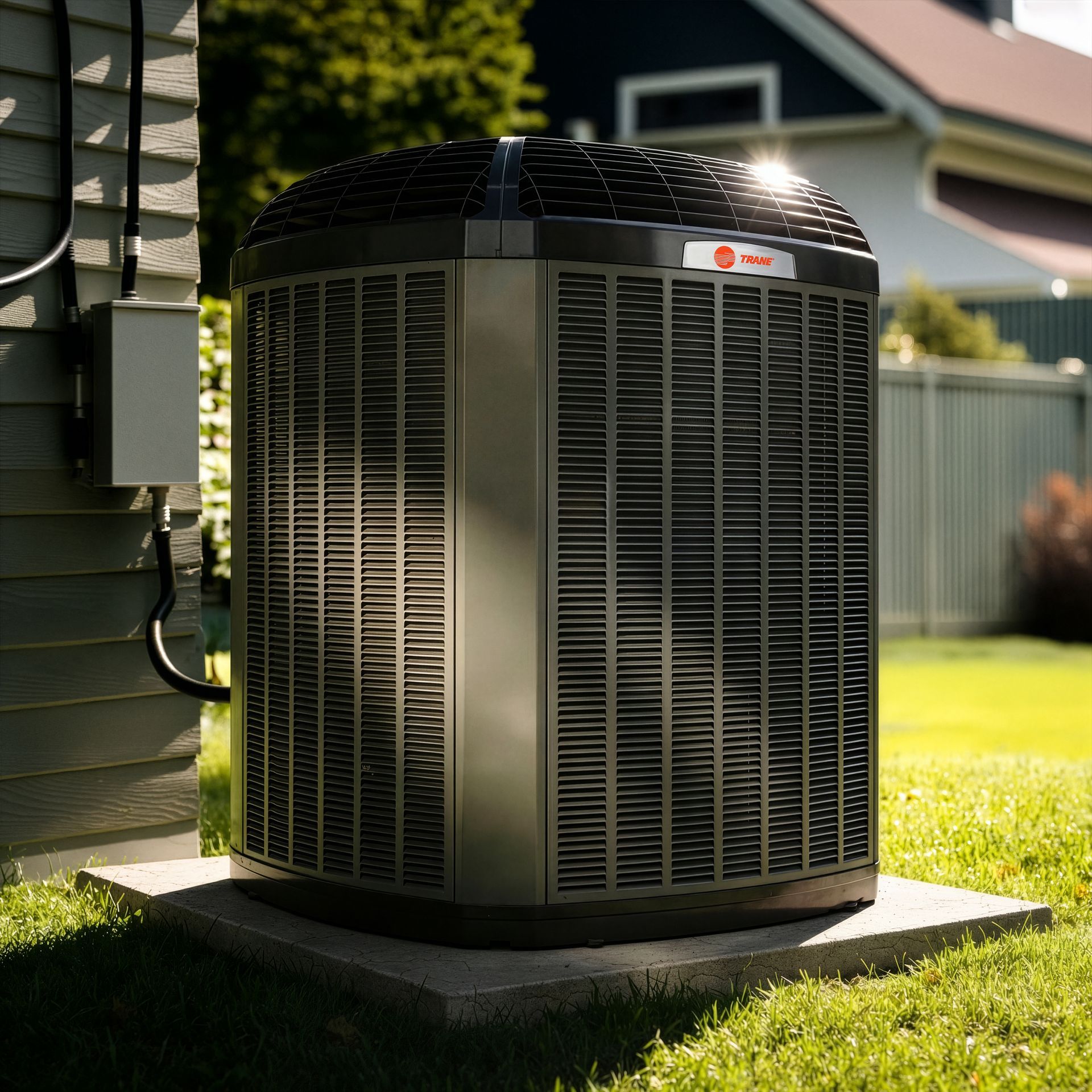
Your outdoor condenser unit is designed to withstand rain, snow, and normal outdoor conditions.
However, flood water presents a different challenge.
Flood water often contains:
- Dirt and sediment
- Debris
- Chemicals
- Fertilizers
- Sewage contaminants
- Corrosive materials
Even if water never reached the top of the unit, contaminants can enter critical components and create problems that may not appear immediately.
The longer flood water surrounds the unit, the greater the risk of damage.
Is It Safe If Water Only Reached the Bottom of the Unit?
Possibly, but you shouldn’t assume it is.
Most outdoor condensers sit several inches above the ground on a pad. If water briefly pooled around the base and quickly drained away, the system may have avoided significant damage.
However, standing water can still impact:
- Electrical connections
- Wiring
- Capacitors
- Contactors
- Condenser coils
Before restarting the system, it’s wise to have a professional inspection performed to ensure no moisture related issues remain.
What If Water Covered Part of the AC Unit?
If flood water rose above the bottom portion of the condenser cabinet, extra caution is necessary.
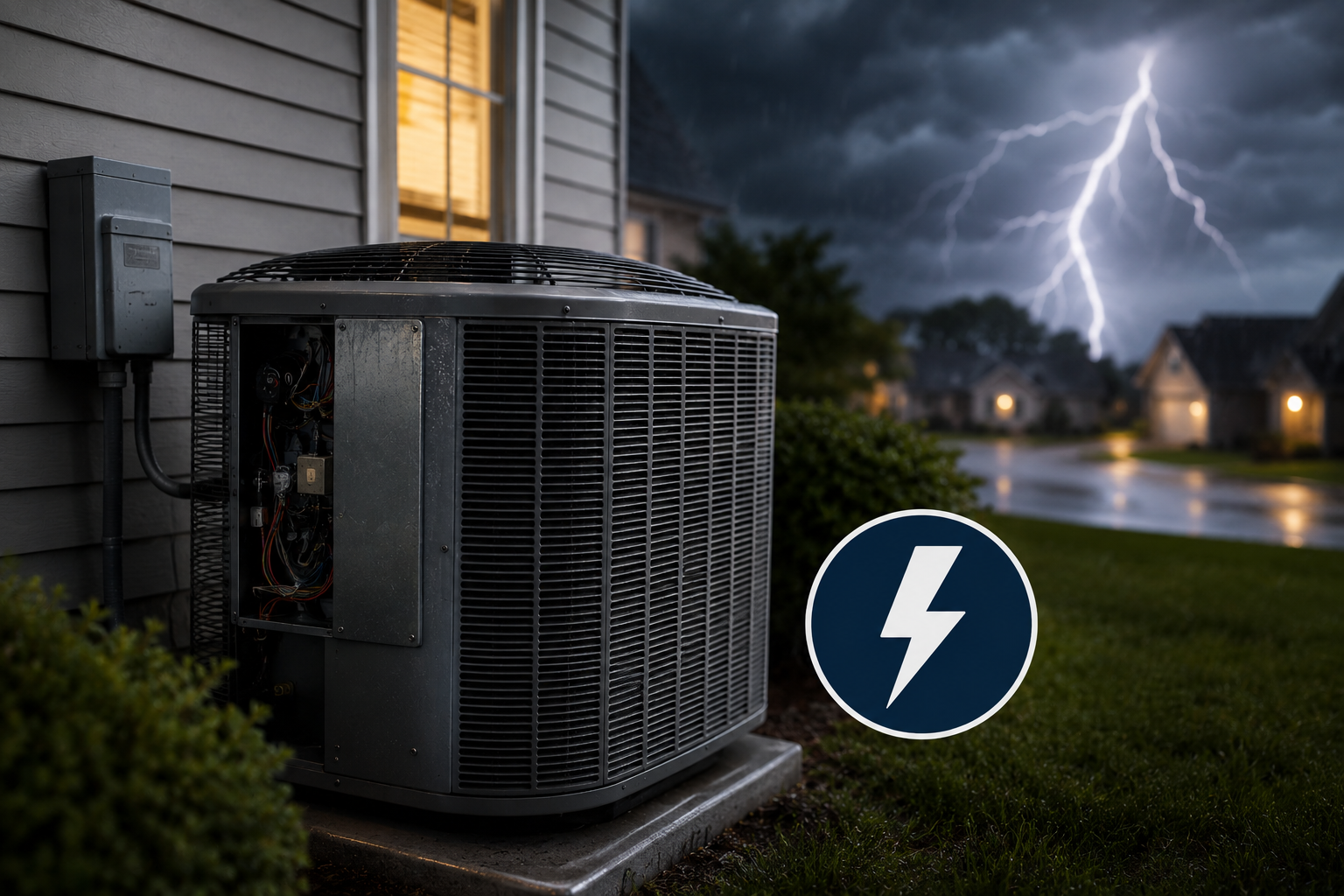
Many critical electrical components are located in the lower section of the outdoor unit. Water intrusion can lead to:
Electrical Shorts
Moisture can damage wiring and electrical connections. Energizing wet components may create dangerous short circuits.
Corrosion
Flood water accelerates corrosion on metal parts, electrical terminals, and connectors.
Component Failure
Capacitors, relays, and contractors exposed to water often fail weeks or months after flooding occurs.
Reduced System Performance
Even if the system starts, hidden damage may reduce efficiency and shorten equipment lifespan.
Signs Your AC May Have Flood Damage
Before turning your air conditioner back on, look for warning signs such as:
- Visible mud or debris inside the condenser
- Bent or clogged condenser coils
- Rust around electrical panels
- Damaged insulation on wiring
- Standing water inside the cabinet
- Unusual odors
- Loose electrical connections
If you notice any of these issues, leave the system off until it can be professionally evaluated.
Why You Should Never Rush to Restart the System
Many homeowners want to restore cooling as quickly as possible, especially during hot summer weather.
Unfortunately, turning on a flood-exposed AC unit too early can cause additional damage.
For example:
- A wet contactor may function temporarily before failing completely.
- A water-damaged capacitor may allow the system to start but place excessive strain on the compressor.
- Moisture trapped inside electrical compartments can create intermittent problems that become expensive repairs later.
Allowing a qualified HVAC technician to inspect the system first can prevent significantly larger repair bills.
What a Professional Inspection Includes
When Air Max performs a post-flood AC inspection, we thoroughly evaluate the system to identify both visible and hidden damage.
Typical inspection steps include:
Electrical Testing
We verify that electrical components are safe and operating properly.
Component Inspection
Capacitors, contractors, relays, and wiring are checked for signs of water intrusion.
Coil Evaluation
Flood debris can restrict airflow and reduce cooling efficiency.
Refrigerant System Review
Technicians inspect refrigerant lines and system operation to ensure normal performance.
Cleaning and Debris Removal
Mud, leaves, and sediment may need to be removed before safe operation can resume.
This comprehensive inspection provides peace of mind and helps prevent future failures.
Can Flood Water Damage Indoor HVAC Equipment Too?
Yes.
If flooding entered your home, additional HVAC components may be affected, including:
Flood-damaged indoor equipment often requires immediate evaluation because moisture can create electrical hazards and contribute to mold growth.
If water entered any portion of your HVAC system, professional assessment is highly recommended.
When Replacement May Be Necessary
Not every flood-exposed AC system requires replacement.
However, replacement may be the safest option when:
- Electrical systems were submerged
- Extensive corrosion is present
- Multiple components are damaged
- The unit is older and nearing the end of its lifespan
- Repair costs approach replacement costs
An experienced HVAC professional can help determine the most cost-effective solution.
How to Protect Your AC Unit From Future Flooding
While severe weather can’t always be prevented, there are steps homeowners can take to reduce future flood risks.
Consider:
- Raising the condenser on an elevated platform
- Improving drainage around the unit
- Installing proper grading around the home
- Keeping gutters and downspouts clear
- Removing debris from the area surrounding the condenser
These preventive measures can help minimize damage during future storms.
Trust Air Max for Post-Flood AC Inspections and Repairs
If flood water got near your AC unit, don’t take chances with your comfort or safety. Even systems that appear normal may have hidden electrical or mechanical damage that could lead to future breakdowns.
The experienced team at Air Max provides professional HVAC inspections, repairs, maintenance, and replacement services throughout the St. Cloud area. We’ll evaluate your system, identify any damage, and help you make the best decision for your home and budget.
📞 Call Air Max today at (320) 613-2853 or visit https://www.airmaxstcloud.com/ to schedule an inspection, if you’re concerned about flood-related AC damage.
Frequently Asked Questions
Can I turn my AC back on if flood water only touched the outside of the unit?
It’s best to have the system inspected first. Even shallow flood water can affect electrical components and create hidden problems.
How long should I wait before restarting my AC after flooding?
The answer depends on how much water was involved and whether components were exposed. A professional inspection is the safest way to determine when the system can be restarted.
Can flood water ruin an air conditioner?
Yes. Flood water can damage wiring, electrical components, coils, and other critical parts, leading to expensive repairs or replacement.
What should I do immediately after discovering flood water around my AC unit?
Leave the system turned off and contact a qualified HVAC technician for an inspection before attempting to restart it.
Does homeowners insurance cover flood-damaged air conditioning equipment?
Coverage varies by policy. Standard homeowners insurance often excludes flood damage, but separate flood insurance may provide coverage. Contact your insurance provider for specific details.
How can I prevent future flood damage to my HVAC system?
Elevating the condenser, improving drainage, maintaining gutters, and ensuring proper grading around your home can help reduce flood-related risks.